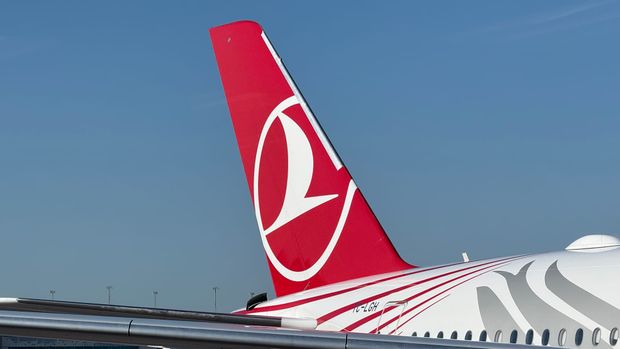
Turkish Airlines, which says it flies to more countries than any other airline, is pumping the brakes. On its third-quarter earnings call Wednesday, chairman Murat Şeker said the airline now expects to grow by only about 3.5% to 4% this year, down from the roughly 10% it had planned. It has also frozen hiring across the airline and almost all of its subsidiaries, and new planes from both Boeing and Airbus are running about 12 months late. For anyone hoping cheaper tickets are around the corner, Şeker didn't offer much comfort: he doesn't expect fares to fall much even if the fighting in the Middle East eases.
The odd part is that Turkish is making plenty of money right now. Revenue jumped 19% to $8.3 billion in the third quarter, it carried a record 28.5 million passengers and its planes were 87% full. Most companies would kill for a quarter like that. Turkish is responding by hiring nobody.
Why It's Slowing Down
Fuel is a big part of that. Turkish spent $2.61 billion on fuel in the third quarter, 58.5% more than a year earlier, mostly because prices are about 54% higher. Chief financial officer Metin Gülşen warned it could get worse, saying fuel costs per seat could be more than 80% higher this quarter than last year at today's prices.
Then there are the planes. Turkish usually adds aircraft the way most of us add browser tabs, but both Boeing and Airbus are running about a year behind on deliveries. Imagine ordering a car and hearing it'll show up next fall instead. You can't add flights with planes that don't exist yet.
The Middle East has also scrambled its schedule. Turkish cut its flying to the region by about 30% over the first nine months of the year, and flights to Iran, Basra and Kirkuk in Iraq and Aqaba in Jordan are still suspended. Service to Riyadh and Dammam was paused briefly and is expected to restart in the second half of November, and some flights are still taking longer routes around the conflict. Şeker called the slowdown "a more disciplined approach to growth," which is a polite way of saying the airline is being careful with its money.
What It Means for Your Ticket
If you've noticed your flight to Istanbul costs more than it did last year, it isn't your imagination. The number to watch is what airlines call yield, roughly how much each passenger pays per mile flown. Turkish's yield rose 9.9% in the third quarter, and the airline expects revenue per seat to climb close to 10% again this quarter. Şeker said he doesn't expect that to drop significantly even if the conflict calms down, because the industry's higher costs will take a while to unwind.
Turkish isn't alone in saying this out loud. Lufthansa has told investors to expect double-digit fare increases, and Ryanair has warned that Europe fares are heading up too. Fewer new seats plus steady demand usually means one thing for travelers, and it isn't a sale.
If you fly Turkish from the US, there's one more thing to know. The airline cut its flying to the Americas by about 6% in the third quarter and moved those planes to Asia, where its capacity grew 18%, and to Europe. That doesn't mean your route is going away, but fewer flights usually means fewer cheap seats. If you're eyeing a trip through Istanbul next year, it's worth booking earlier than you normally would.