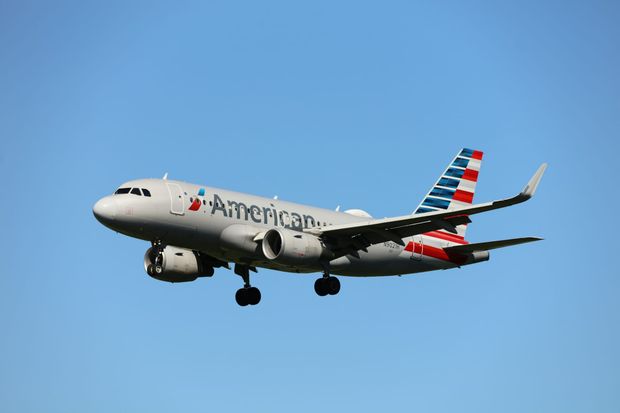
The warning didn't come from inside the cockpit. It came from the plane behind them.
American Airlines flight 3230 had just taken off from Phoenix Sky Harbor International Airport on Thursday afternoon, headed for Portland, Oregon, when air traffic controllers passed along an alarming message. A SkyWest crew departing behind the American plane had reportedly spotted flames coming from one of its engines.
In audio from the Phoenix approach frequency that's now spreading on social media, a controller tells the American crew that the other pilots "saw flames coming out of one of your engines and you might be leaking something." The pilots declared Mayday, the most serious emergency call in aviation, and turned back toward Phoenix with about 120 people reportedly on board.
The Flight
Flight tracking data shows the Airbus A319 took off from Phoenix at 4:15 p.m. local time and landed back in Phoenix at 4:34 p.m., less than 20 minutes later. It never got anywhere near Portland.
That quick turnaround is exactly what you want to see. The plane appears to have landed normally, and there's no word of injuries so far. American Airlines hasn't publicly said what caused the flames, and I'll update this as soon as the airline or the FAA explains what happened.
It's also worth pointing out how this was caught. The American pilots may not have seen the flames at all from where they sit. It took another crew, looking at the plane from behind, to spot them and speak up. That's the quiet teamwork on the radio that most passengers never hear about.
Why Engines Shoot Flames
Seeing fire from an engine sounds terrifying, and I won't pretend it isn't scary if you're the one looking out the window. But it doesn't always mean the engine itself is on fire.
One common cause is a bird strike. When a bird gets sucked into an engine, it can disrupt the airflow inside and cause bursts of flame out the back. Another is something called a compressor stall, when air stops flowing smoothly through the engine and unburned fuel ignites in a pop of fire. Both look dramatic from the outside, and both are things pilots train for constantly.
The bigger reassurance is that two-engine planes like the A319 are designed to fly and land safely on just one engine. Pilots practice exactly this scenario in simulators, and turning back to the airport you just left is the textbook move.
What Happens Next
The plane will be inspected before it flies again, and engineers will check the engine for signs of a bird strike, a mechanical problem or a fuel leak, since the controller also mentioned the plane might be leaking something.
Passengers headed to Portland will likely be rebooked on a different plane. If you were on this flight, American should rebook you for free, and it's worth asking about a meal voucher or hotel if the delay runs into the night.
Turnbacks like this happen more often than most people realize. An American flight recently headed back to Miami over a single door, and there are plenty of reasons planes turn around mid-flight. If you're curious why controllers call flights "American 3230" or "SkyWest" on the radio, my grandfather, a retired New York air traffic chief, explained how airline call signs work.