If your flight was canceled because the crew timed out, you've hit one of the most frustrating situations in air travel. The plane is fine. The storm has passed. Everyone is sitting at the gate, ready to go. And then the announcement comes: the crew has "timed out," and the flight is canceled. I asked Isreal, a Miami-based flight attendant with about three years at a US airline, to explain what's actually going on. He's lived it from the other side of the gate.
What "Timing Out" Means
Pilots and flight attendants can only work so many hours in a row. These aren't airline policies. They're federal safety rules, written so that the people flying the plane and handling an emergency aren't exhausted while doing it.
For flight attendants, the FAA caps a scheduled workday at 14 hours with a standard-sized crew, followed by at least nine hours of rest. Pilots have their own limits, which run from about 9 to 14 hours depending on when their day started and how many flights they're working. Once a delay pushes a crew past those limits, they legally can't work the flight. They've "timed out."
Isreal says the limits exist for a reason. "Once you get to this point where you're so fatigued, you're so tired, you're no longer well aware," he told me. "You're not sharp. You're not looking around. You're not doing your main duties as a flight attendant." At that point, he said, "it's unsafe for you to still be on the clock. That's when timing out becomes a thing."
Why a Short Delay Can Turn Into a Cancellation
This is the part that catches travelers off guard. A crew's clock starts when they report for duty, often hours before your flight, and sometimes after they've already worked two or three other flights that day. So a two-hour delay on your flight might be the delay that pushes them over the line, even though it doesn't feel long to you.
When that happens, the airline needs a fresh crew. At a big hub, there may be reserve crews on call nearby. At a smaller airport, late at night, there often isn't anyone, and that's when a delay becomes a cancellation.
Isreal has watched it play out from the inside. As a delay drags on, crew scheduling reaches out: "Hey, just want to let you know, you're about to time out. We're going to try to save this sequence." The airline then calls in a standby flight attendant, someone already "in uniform, bag packed," waiting in the crew room at the airport. But sometimes the whole crew times out at once, and on a bad weather day, every airline is hunting for the same people. "When you start running out of flight attendants, you start pulling people from here and there, just trying to get this one flight out," he said. "A lot of the time, they just cancel the flight till tomorrow, just because they don't have enough people to cover a specific trip."
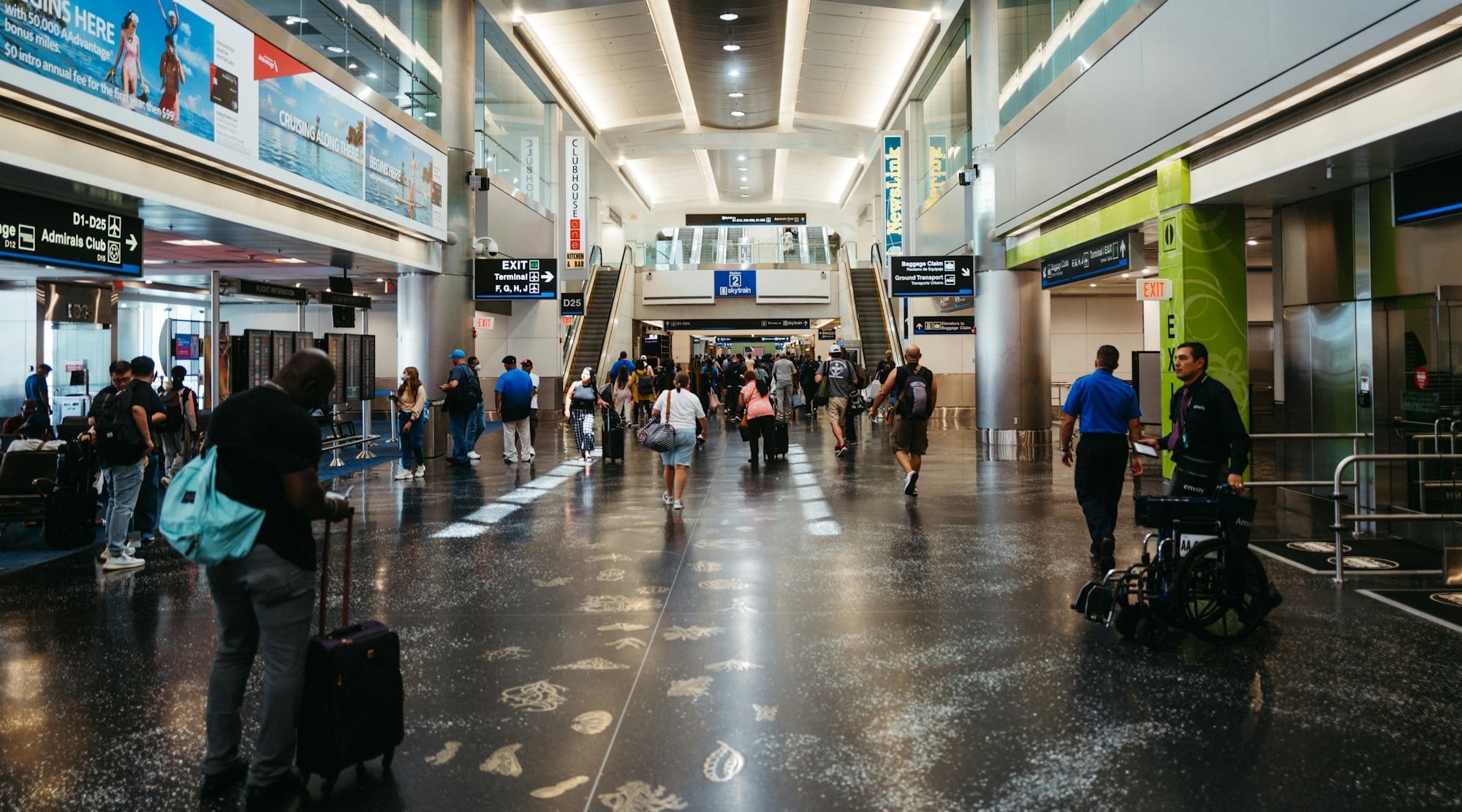
The Part Most Passengers Don't Know
The crew stuck at the gate with you is often not being paid full rate for that time. At many airlines, flight attendants' regular hourly pay only starts once the aircraft door closes, so long stretches of boarding, waiting and delays at the gate have historically been unpaid or paid at a reduced rate. A few big US airlines, including Delta, American and United, now pay flight attendants a partial rate during boarding, but delays at the gate can still eat into a long, poorly paid day.
"You are paid, but you're not paid what you think you're paid," Isreal said. "You're not paid exactly on the pay scale until the aircraft door shuts."
That creates an odd choice during a long delay. Close the door and the crew gets paid, but passengers are stuck on a plane going nowhere. Leave it open and people can step off, but the crew is back to earning a fraction of their rate. "It's a double-edged sword," he said. "You pick your poison."
That's worth keeping in mind before you take it out on the crew. When a flight is canceled away from home, they're stranded too. "We're also trying to find a place to sleep. We're trying to find a place to eat. We're tired," Isreal said. "We're in the exact same airplane as everybody."
What You're Owed
What happens next depends on where you're flying and why the crew timed out.
- In the US, if the airline cancels your flight and you choose not to travel, you're entitled to an automatic refund to your original form of payment, even on a nonrefundable ticket. Crew scheduling problems count as within the airline's control, and for those, most big US airlines have committed to a meal voucher for long waits and a hotel if you're stuck overnight. A new federal rule, now set to take effect February 1, 2027, will remove some causes, like certain unexpected maintenance, from that category, but crew problems aren’t among them.
- In Europe and the UK, a cancellation caused by the airline's own crew scheduling can qualify for cash compensation under EU and UK passenger rules. If the crew timed out because of something outside the airline's control, like a storm or an air traffic control strike, it usually won't.
Either way, ask the gate agent for the reason in writing, or screenshot it in the app. It makes any claim much easier later.
How to Lower Your Odds
You can't control a crew's clock, but you can stack the odds in your favor. Morning flights are the safest bet, since the crew is usually starting fresh and delays haven't had time to build up through the day. The last flight of the night, especially out of a smaller airport, is the riskiest, because there's often no backup crew and no later flight to rebook you onto.
And if it happens anyway, take Isreal's advice. Flight attendants are taught in training to be "palm trees," he said: bend with the wind instead of fighting it. "You must always adapt," he said. "Go with the flow, go with the wind." It won't get you home any faster, but it'll make the wait a lot easier on everyone, including the crew.