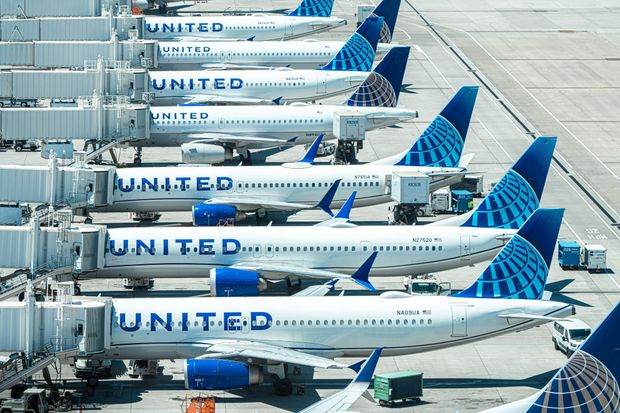
United Airlines is restricting AI agents from booking flights and managing your account. These are the personal AI assistants that can log in to websites and act for you. If you've been handing your United login to an AI assistant and asking it to find a seat or check you in, United now says that's not allowed. The airline announced the change on Wednesday, Nov. 11.
It's the clearest statement yet from a big US airline, and I think United is on the wrong side of it.
What United Is Changing
United says it's taking steps to block "unauthorized, third-party personal AI agents or assistants" both on its own website and app and indirectly through the travel agencies and booking sites that sell its tickets. It's also updating its booking and ticketing policies to match, so the rule reaches the travel sites that sell United tickets, not just United's own app.
United didn't say when each piece takes effect or name any specific AI products. It says it'll explain more in its Digital Trust Center, the security section of its website, including how to protect your account and where to get help if an AI agent does something you didn't intend.
Why United Says It's Doing This
United gives three reasons. The first is security: giving your password to a third-party AI tool can expose your personal information. The second is mistakes, since an AI agent acting on its own can make purchases you didn't mean to make, change your account or spend your miles. Anyone who's watched an AI assistant confidently do the wrong thing will understand the worry.
The third reason is the most interesting one. United says automated AI actions could break FAA and Department of Transportation rules. Its example is check-in, where every passenger has to confirm that their bags don't contain banned items like explosives. That box is supposed to be ticked by an actual person who knows what's in the bag, not by software guessing on your behalf.
It's Not Just United
United says banks and retailers have taken similar steps, and it's encouraging other companies to follow. Delta has already said it doesn't have any partnership that lets an outside AI agent shop for or book its flights, and it has described its own limits as protecting customers from unauthorized automated activity. Amazon has also blocked some AI shopping agents from its site.
That doesn't mean AI is being shut out of travel entirely. Airlines keep adding features to their own apps, like American's new standby option, and it's likely some will eventually sign deals with AI companies to let approved assistants book directly. What United is drawing a line against is the unofficial version, where an assistant logs in as you and clicks around the website.
My Take
Honestly, I think this is a stupid move by United. I get the check-in point, and nobody wants a bot ticking the "no explosives in my bag" box for them. But United could fix that by asking for one human tap at check-in, not by shutting the door on AI assistants completely.
The bigger issue is that this is where travel is going whether airlines like it or not. More people are going to ask an assistant to find the best flight and just book it. If United won't play along, that assistant will happily book someone else. That's a strange position for an airline whose app is, in my opinion, the best in the business. United has the least to fear from a smarter way to book, and it's choosing to sit it out.
It's also hard to ignore the business side. Airlines want you booking in their own apps, where they can sell you seat upgrades and extras, and an AI agent shopping around for you cuts into that. Protecting customers is a fine reason. Protecting the upsell is a less convincing one.
What It Means for You
If you use an AI assistant to research flights, compare fares or plan a trip, that's not what United is targeting. The problem is giving an AI tool your United password and letting it book, change or check in for you. Doing that could now get blocked, and if something goes wrong, you may have a harder time getting United to fix it.
The safest move is the boring one: book and check in yourself in the United app or on united.com, and don't share your MileagePlus password with any outside tool. If you've already connected an AI assistant to your United account, it's worth changing your password. And if you booked through a travel site, check that your reservation shows up correctly in the United app. If a trip does go sideways, here's what an airline owes you when a flight gets canceled.