

Heathrow stopped all departures at 12:48 BST on Tuesday, September 8. The cause was a technical fault in the system that processes flight data at NATS, the UK's air traffic control provider.
Arrivals kept landing. That detail does a lot of work, because a fault that stops departures while arrivals continue is a flight data problem rather than an airport one.
NATS confirmed the issue at 13:46 and identified the cause at 15:25 as a failure in its flight processing system. A fix went in around 16:40 and the matter was declared resolved at 19:30. Around 15 UK airports were affected. The worst disruption hit Heathrow, Gatwick, Manchester and Birmingham. A cyber attack has been ruled out, and the precise root cause hasn't been published.
Tuesday, September 8 · times BST
Six hours and forty-two minutes
From the first grounded departure to NATS declaring the fault resolved.
Airports affected
Worst at Heathrow, Gatwick, Manchester and Birmingham
Flights cancelled
Same-day reports conflict. Cumulative over two days exceeded 2,000
What airlines reported
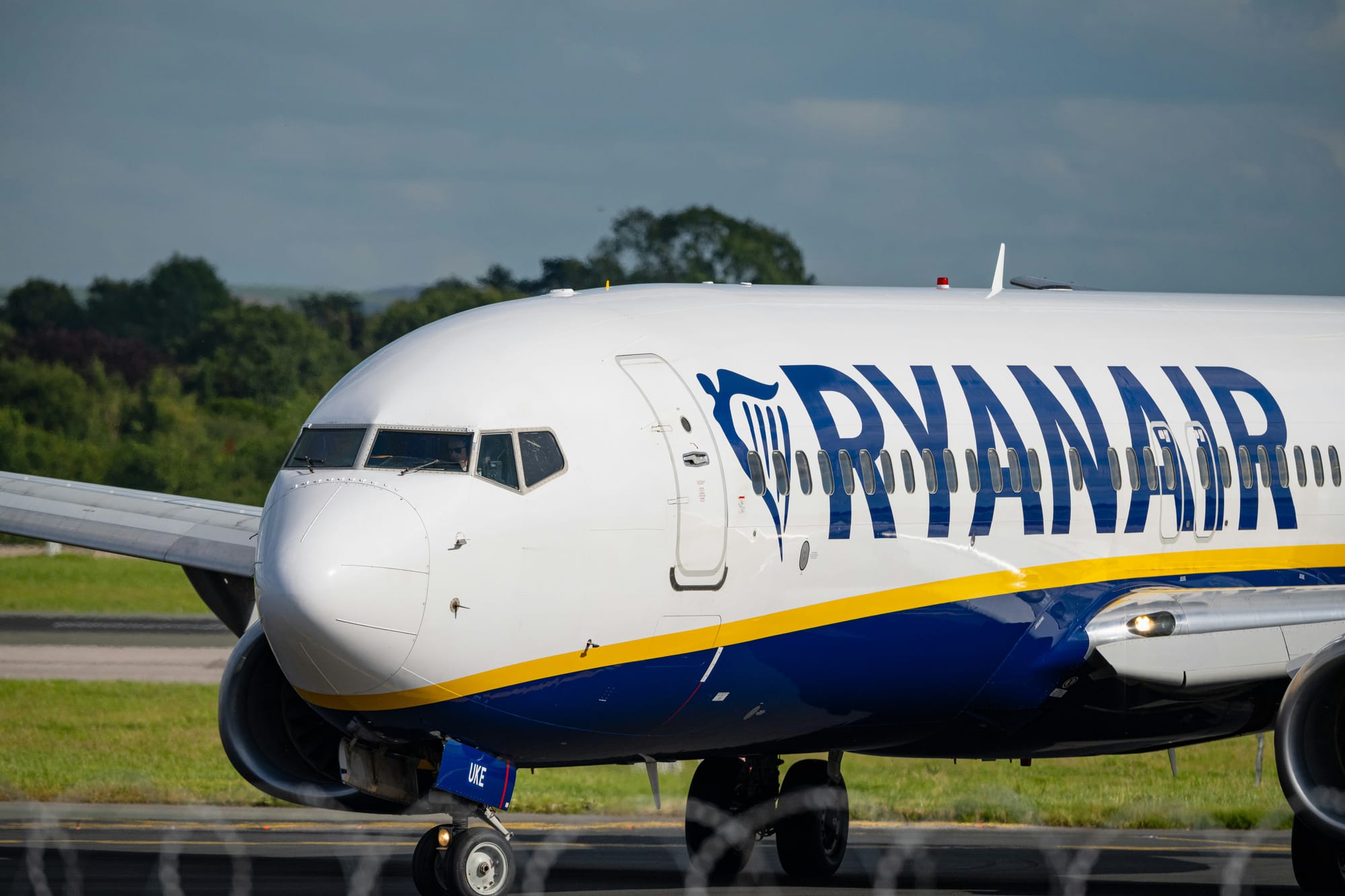
Ryanair65,000+ passengers delayed, 50+ flights cancelled
British Airways100+ cancelled or diverted
easyJetaround 200 cancelled
Timestamps and figures as reported. Cancellation counts varied widely across outlets covering the same event, so the range is shown rather than a single number. The Civil Aviation Authority is reviewing the cause and the precise root cause has not been published.
contrail.travel
Nobody agrees on the count
Cancellation figures vary a lot depending on who counted and when. I'd rather show you that spread than pick the biggest number and present it as settled.
Reports put same-day cancellations anywhere from about 425 to more than 1,000. Cumulative totals across the two days exceeded 2,000 as carriers repositioned aircraft and crews and worked through the backlog.
Individual airlines were clearer. Ryanair said more than 65,000 of its passengers were delayed and that it cancelled over 50 flights. Ryanair also called for the resignation of NATS chief executive Martin Rolfe. British Airways cancelled or diverted more than 100 flights. easyJet cancelled around 200.
Four failures in twelve years
This was the fourth major NATS failure since 2014 and the second involving flight plan processing, after the August 2023 bank holiday outage. The company has said the September 2026 event was a different issue from the earlier ones, and that it hit the flight data system rather than whatever broke in 2023.
Fine, and from a departure hall it makes no difference whatsoever. Twice in three years, one piece of software has gone wrong and emptied a meaningful share of European airspace for a day.
I have a particular reason for caring about this one. I've spent a good part of this year building a model that estimates the odds your flight is delayed. It reads historical data, airline operations, inbound aircraft rotation and weather. It can tell you a lot. What it can't tell you is that a flight data processing system is about to fail at lunchtime on a Tuesday. Nothing can. That kind of failure sits entirely outside anything a passenger or a model can see coming, which is exactly why the architecture matters more than the forecast.
If you were on one of those flights
A nationwide air traffic control failure is generally treated as an extraordinary circumstance, which means fixed cash compensation under UK261 is unlikely. Your airline still owes you duty of care regardless of the cause.
That covers rerouting onto an alternative flight, including on another carrier. The duty also covers meals and refreshments while you wait, plus hotel accommodation and transport if you're stranded overnight. If your airline didn't provide those and you paid for them yourself, you can claim the money back.
The review is where this gets decided
The Civil Aviation Authority will establish the cause. I'll be reading for whether it examines the architecture or stops at the component that failed, because a fourth failure usually points somewhere other than the last thing that broke.


