

Israir starts flying to New York next week, which will make it the third Israeli carrier on the route and the fifth operator overall. Four months ago this market was effectively closed. I think the speed of the refill says something about how airlines are reading the risk now.
Israir's first departure leaves Ben Gurion on September 15. The first JFK to Tel Aviv rotation follows on September 17. The airline's running it with two Airbus A330-200s it bought outright, having made the final payment on May 27 as part of a roughly $85 million investment covering the aircraft, service modifications and a spare parts inventory.
Israir says it turned those aircraft around operationally in about three and a half months. Along the way it signed more than sixty agreements and cleared the Israeli Civil Aviation Authority, the US Department of Transportation and the FAA. The FAA sign-off was the last of them and came through on August 24.
Three weekly to start, rising to four from October 19 and six from December 1. The airline has said publicly it expects to be daily by the end of October. Economy fares open around $800 each way.
It already quit this route once
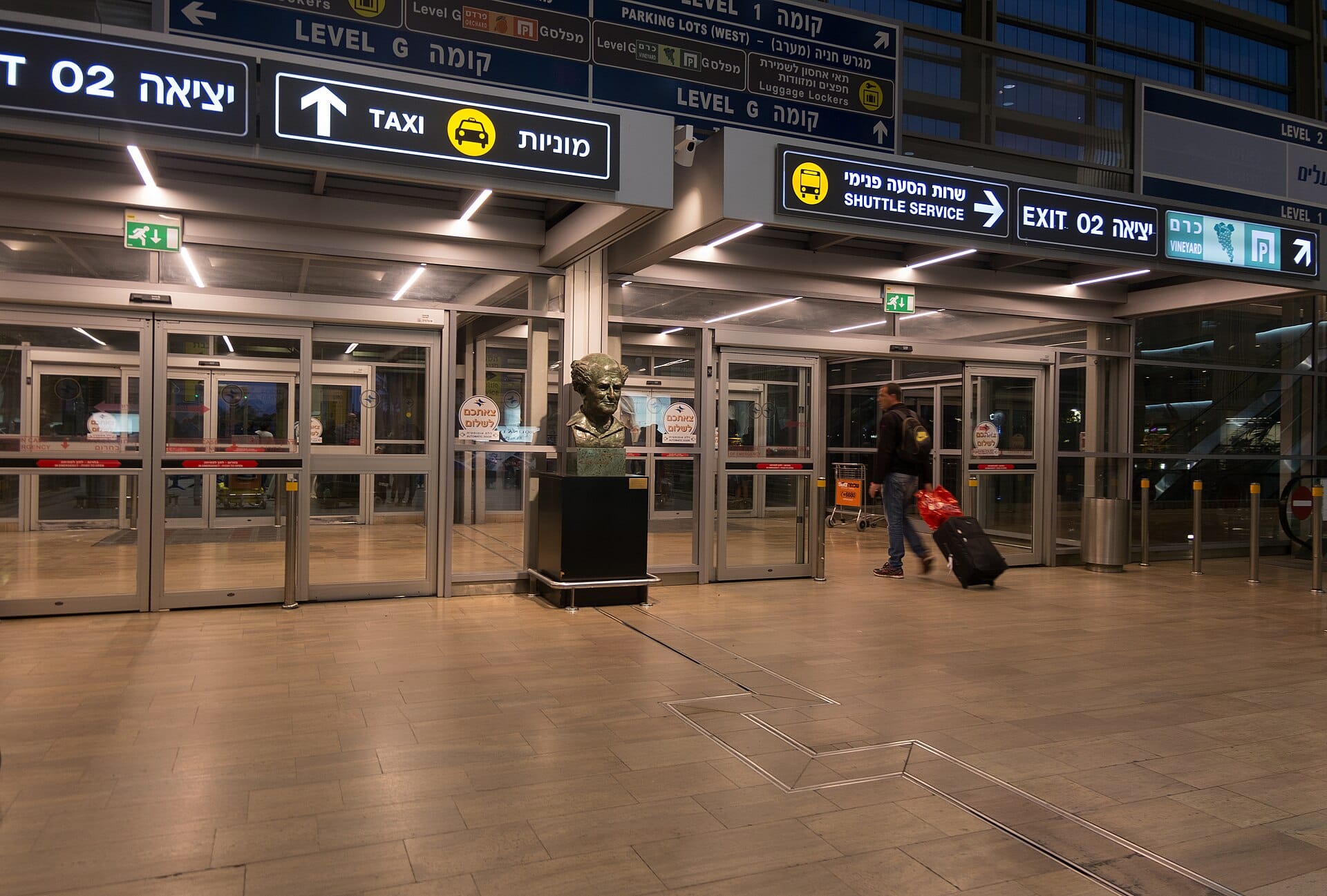
Here's the part I keep coming back to. Israir flew New York from 2004 to 2008 and walked away when fuel prices made it unworkable. Eighteen years later it's buying widebodies to try again, and it's doing that with a plan to wet-lease two more on top of the two it owns, while still running its eight A320s.
Compare that with Arkia, which has been flying New York since February 2025 on wet-leased widebodies. Renting capacity lets you hand it back. Owning two A330s does not.
Everybody came back at once
All this capacity is landing in the same two weeks because the US carriers had frozen the market during the war with Iran and are restoring it now, ahead of the Jewish autumn holidays. Israeli national elections follow in late October.
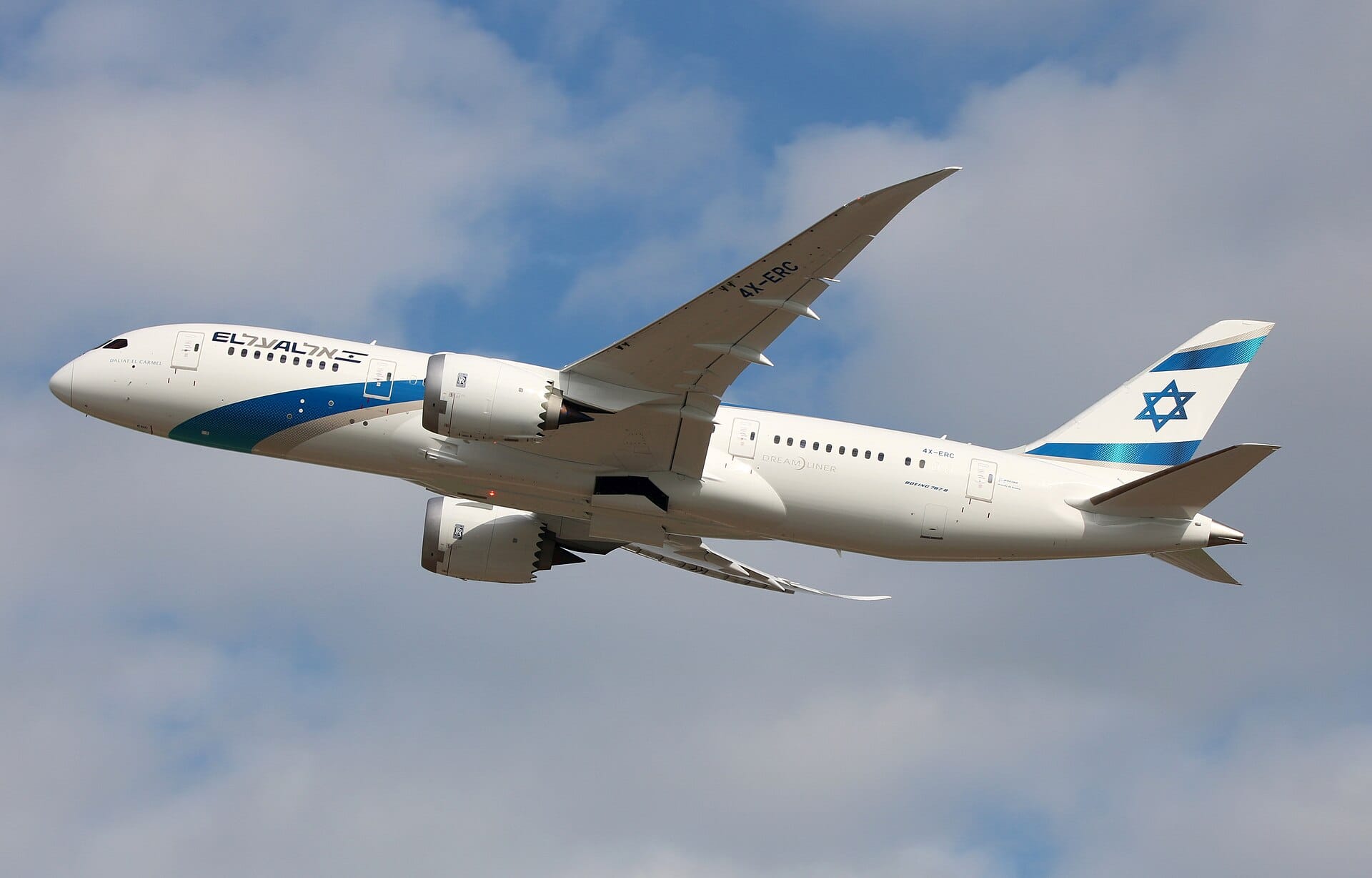
Delta restarted daily JFK service on September 7 with an A330-900neo. United restored its Newark flying on September 8. El Al, which never left, is running five to six daily departures across JFK and Newark.
American is the holdout. It has the route suspended through March 27, 2027, putting it about six months behind Delta and United on a route all three have entered and exited repeatedly as airspace conditions shifted.
I wouldn't read that as timidity, and I'd be careful about anyone who does. Delta and United have both suspended and resumed this route more than once, and every one of those cycles costs money in rebooking, crew positioning and goodwill. Committing to March 2027 looks to me like a decision not to do that again. American hasn't said why, so that's my read rather than theirs.
The thing I'd expect to be strange, and isn't
By December there'll be five carriers on the route, and a wave of new widebody capacity is arriving into the holiday peak. Fares still aren't expected to fall.
If seats were the only constraint, this much lift arriving inside six weeks should move prices. Not many people in the market seem to think it will. My read: the demand sitting behind the holidays and an election runs deep enough to soak up roughly everything anyone can put in the air.
I could be wrong about the mechanism. Fuel is expensive, insurance for the region is expensive, and either could be holding fares up on its own. But the simplest explanation I can find is that the capacity showed up because there's more demand here than anyone has been able to serve, and price never entered into it.
I've been trying to review these airlines for a year
I should say where my own interest in this comes from. I've spent the past twelve months trying to get on El Al and Israir to review them, and I've had every attempt fall apart. Flights cancelled, schedules pulled, routes suspended before I could get on them. Every time it was geopolitical rather than commercial, and every time the airline had no say in it.

That's a small inconvenience for me and a review I still haven't written. For an airline it's the whole problem with this market. You can own the aircraft, hold the approvals and file the schedule and still not fly. What closes the route has nothing to do with how well you run an airline.
Which is what makes Israir buying two A330s outright interesting to me rather than just notable. I've been on the losing end of this market's unpredictability in the most trivial way possible, and Israir has committed $85 million into the same conditions.
What February looks like
The competitive question comes later. Once the holidays are done and the election is decided, five carriers will still be holding the schedules they filed.
One Jerusalem travel agency CEO put the case for Israir plainly, saying its chance rests on price and on having the resources to stay in the fight long enough. That sounds right to me. It's going up against a flag carrier that flies the route six times a day, having put real capital into a market that closed on it once already.
Nobody has reported how much of this traffic is actually discretionary, and it's the number I'd chase first. Family travel, business and holidays that won't move would put a floor under all five. Leisure that can wait until next year would not, and the fifth airline in is the one that finds out first.


