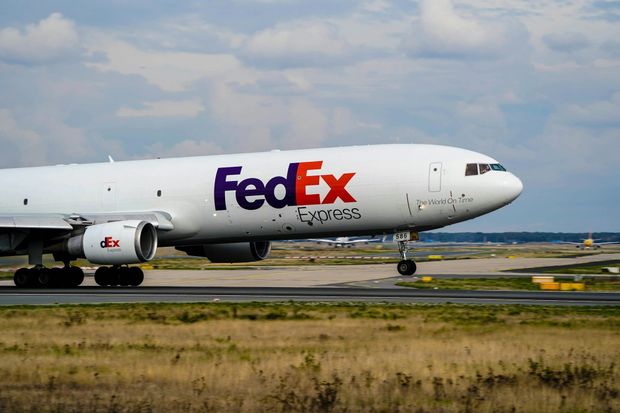
Miami International has now seen two cargo planes run off the end of a runway in less than three months, and while the second one ended with no injuries, the pair makes a pattern worth paying attention to. On the evening of Thanksgiving Eve, a FedEx cargo plane overran a runway in the rain. In September, an Amazon cargo plane did the same thing in a thunderstorm, and five people on the ground were killed.
The FedEx Overrun
FedEx Flight 910, a McDonnell Douglas MD-11 cargo plane flying in from Memphis, ran off the end of its runway at about 8:40 p.m. on Wednesday, Nov. 25, in rainy conditions, according to reports. The plane, reportedly 34 years old, stopped at the far west end of the airfield. Miami-Dade Fire Rescue responded and no one was hurt. "We are grateful that our crew is safe and there are no reported injuries," FedEx said.
The timing couldn't have been much worse for travelers. The FAA stopped Miami-bound flights for part of the evening on one of the busiest travel nights of the year, then put a delay program in place, and arrivals were running more than three hours late on average at one point. I covered it as it happened in my story on the Miami ground stop. By the next day, three of Miami's four runways had reopened, with one still closed. The FAA and the NTSB are both investigating.
The Amazon Crash in September
The earlier overrun was far more serious. On Sept. 6, a Boeing 767 operated by 21 Air for Amazon's cargo network overran a runway at Miami as thunderstorms moved in, crossed a perimeter fence and a road and hit a van and an SUV. Five people in the van, workers from a plane cleaning company, were killed and five others were hurt. The two pilots weren't seriously injured. Amazon suspended its partnership with 21 Air afterward.
The NTSB's preliminary report doesn't name a cause, but its details are striking. The plane touched down at about 184 mph, roughly three-quarters of a mile past the start of the runway. The crew briefly tried to abort and go around before braking again with little runway left, the speed brakes stayed stowed and the thrust reversers, which help slow a plane after landing, didn't deploy. One pilot warned the other they were going too fast. The report also says the controller didn't pass on wind information that federal rules require when there's a tailwind, even though winds were gusting to about 30 mph. I first reported on the crash the day it happened.
Why Runway Overruns Matter
Runway overruns, when a plane can't stop before the end of the pavement, are among the most common serious accidents in commercial aviation. They usually come down to a combination of things going wrong at once: landing too fast or too far down the runway, a wet or slippery surface, a tailwind pushing the plane along and delays in using the brakes and other systems that slow it down. Miami's summer thunderstorms and frequent heavy rain make wet runways a regular part of flying there.
It's important not to read too much into two incidents before investigators finish their work, and there's nothing so far tying the FedEx overrun to the same causes as the Amazon crash. But two overruns at the same major airport in under three months is the kind of thing the NTSB looks at closely, and it's fair to ask whether Miami's runways, its weather procedures or how wind information reaches pilots deserve a closer look.
What It Means If You're Flying Through Miami
Both planes were cargo flights, but they use the same runways as passenger planes, and a single closed runway can slow down the whole airport, as Thanksgiving Eve showed. If you're flying through Miami on a stormy day, build in extra time and keep an eye on my Miami airport page and the live airport delays page. Miami was already the toughest major airport to fly out of over Thanksgiving week by my numbers, with only about 64% of departures leaving on time.