Is it safe to travel to China? The US State Department's answer got a little more complicated on Friday. It added a new warning to its China travel advisory, saying Americans face a serious risk of wrongful detention by the Chinese government, while keeping the country's overall rating where it was.
If you're planning a trip, the headline number hasn't moved. China remains at Level 2, "Exercise Increased Caution," the second of four levels. What changed is a single letter next to that number, and it's one most travelers have never noticed.
US Travel Advisory · China
A New Letter on China's Warning
Contrail
What Changed
The State Department added a "D" to China's advisory, which stands for wrongful detention. It replaces an "O," which covered "other" risks. A department spokesperson told Semafor, which first reported the change, that the letter means the US has determined Americans are at risk of being wrongfully detained by the host government.
The move follows the cases of two US citizens the department has already labeled wrongfully detained. Min Zin, a Myanmar scholar, was detained in June and accused of endangering China's national security. Youlin Chen, a seismologist, has been held since 2024 on espionage charges. A bipartisan group of senators had urged the department to add the warning last month, and in early September it had already added stronger language about wrongful detention, arbitrary enforcement of local laws and exit bans.
What the Letters on a Travel Advisory Mean
Every US travel advisory has two parts. The number, from Level 1 to Level 4, gives the overall picture. The letters next to it flag the specific risks behind that number:
- C: crime
- T: terrorism
- U: civil unrest
- H: health
- N: natural disasters
- E: a time-limited event, like elections
- K: kidnapping or hostage-taking
- D: wrongful detention
- O: other risks
That's why a Level 2 country can still carry a serious warning. The number tells you how risky a place is for the average visitor, and the letters tell you what kind of risk you're dealing with. It's worth checking both before any trip, the same way you'd check whether it's safe to travel to Saudi Arabia right now.
Why It Matters at the Airport
For travelers, the airport is where this warning can become real. One of the risks the State Department flagged in September is exit bans, which can stop a person from leaving China, sometimes without any warning until they try to check in or pass through passport control. It's a reminder that being detained at an airport isn't something that only happens in war zones.
Getting out quickly isn't always easy either. US and Chinese airlines are each capped at 50 round-trip flights a week between the two countries, far fewer than before the pandemic, so there are fewer seats to rebook onto if plans change.

Flying to China vs. Flying China Airlines
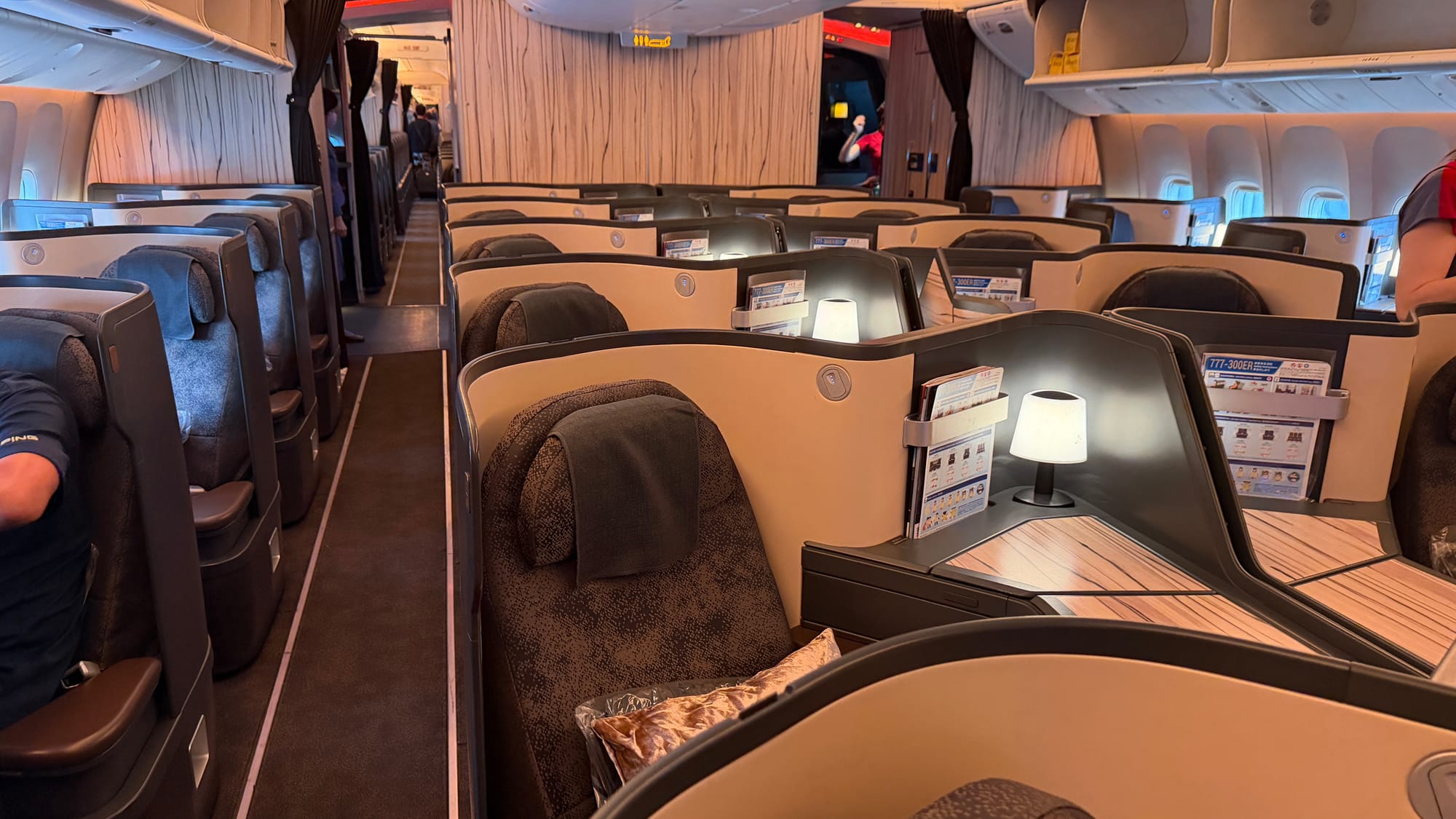
One thing the warning doesn't cover: China Airlines. Despite the name, it's Taiwan's largest airline, based in Taipei, and it isn't connected to mainland China's Air China. The same goes for Starlux, Taiwan's newer luxury airline. Taiwan has its own separate US travel advisory, and connecting in Taipei doesn't mean entering mainland China.
What to Do Before You Book
The warning doesn't mean you can't go, but it does mean planning more carefully:
- Read the full advisory on travel.state.gov before you book, not just the level.
- Enroll in STEP, the State Department's free Smart Traveler Enrollment Program, so the US embassy knows you're there and can reach you in an emergency.
- Check your visa rules. Americans generally need a visa for a regular trip to mainland China. A 240-hour visa-free transit option exists, but only if you're continuing to a third country on a confirmed onward ticket, and a return flight to the US doesn't count. Confirm the current rules with the Chinese embassy before you book.
- Book flexible. With limited flights between the two countries, a refundable or changeable ticket gives you more options if things go wrong.
- Save the US embassy's contact details on your phone before you land.