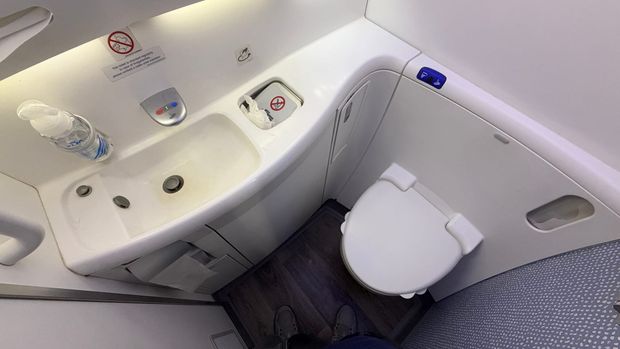
A hidden camera in an airplane bathroom is the kind of thing you'd rather not think about mid-flight, but it keeps happening. The latest case is on Scoot, the budget airline owned by Singapore Airlines. Singapore police say a passenger on flight TR821 from Osaka to Singapore on Oct. 7 hid a camera in one of the plane's bathrooms and set it recording through an app on his phone.
A female flight attendant spotted the camera while using the bathroom, removed it and alerted a colleague. According to police, the passenger later went back for it, found it gone and deleted the app and photos from his phone. Officers were waiting when the flight landed at Changi. The 52-year-old British man was charged on Nov. 5 and reportedly plans to plead guilty.
Why the Deleting Is the Bigger Problem
The twist is in the charges. The voyeurism charge in Singapore carries up to two years in prison. The charge for allegedly deleting the evidence, obstructing the course of justice, carries up to seven. In other words, trying to cover it up could cost him far more than the act itself, which is a pretty good lesson for anyone thinking about trying something similar.
He's reportedly been offered bail of S$10,000, or roughly $7,700. Singapore's laws also allow caning for voyeurism, but men over 50 are exempt.
It's Not the First Time
Airplane bathrooms have turned up in cases like this more than once. In 2019, a United Airlines passenger was accused of hiding a camera in a first class bathroom on a flight from San Diego to Houston, and the camera ended up recording him installing it. More recently, American Airlines faced a lawsuit after a teenage passenger found a phone hidden on a toilet seat lid, covered with stickers made to look like a maintenance notice. The family alleged a flight attendant was behind it.
These cases are still rare, and I don't want anyone to panic over a bathroom break at 35,000 feet. But airplane bathrooms are small, shared and used by dozens of people on a single flight, which is exactly why it's worth knowing what to look for.
How to Check an Airplane Bathroom
It takes about a minute, and you don't need any gadgets. First, look for anything that seems stuck on or out of place, especially near the toilet, under the sink and around the mirror. A sticker or "out of order" notice in an odd spot, like the American case, is a red flag. Second, check for small holes or shiny dots that don't match the rest of the panel. Turning on your phone's flashlight and slowly sweeping the room can make a camera lens glint back at you.
If you find something, don't try to take it apart or throw it away. Take a photo, leave the bathroom and tell a flight attendant right away. In the Scoot case, the crew acted fast and police were at the gate when the plane landed, which is exactly how it should work. Keeping the device intact is what helps investigators prove who put it there.
Scoot's parent airline is in the middle of rolling out new cabins across its fleet, and I'd love to see airlines add a quick bathroom check to the cleaning crew's routine. It would cost almost nothing. I'll update this story when the case goes to court.