New York is in for a soggy, windy Sunday night, and if you're flying out of JFK, LaGuardia or Newark, it could mean NYC airport delays right as Thanksgiving travel gets going. The city's emergency management office says 1 to 3 inches of rain are on the way, with the heaviest from 5 p.m. to midnight Sunday and gusts up to 35 mph, possibly stronger in spots.
I live in New York, and I can tell you that wind like that is usually what does it. Rain on its own slows things down. Rain plus strong gusts is when the FAA starts holding flights on the ground across the country because New York can't take them.
Latest Updates
Saturday, Nov. 21, 12:20 p.m. ET: This is the same storm that flooded parts of Florida this week, where the state called in the National Guard. It's now moving up the East Coast. Forecasters had been watching whether it would become Subtropical Storm Kyle, but that chance has dropped as of Saturday morning. Either way, New York is still in for a soaking: rain arrives around midday Sunday, gets heavier Sunday night and lingers into Monday, with wind strong enough to bring down trees in spots. That puts flights at the Northeast's big hubs at risk late Sunday and Monday. Florida's airports are mostly back to normal, with only moderate delays in Miami and Fort Lauderdale around midday Saturday.
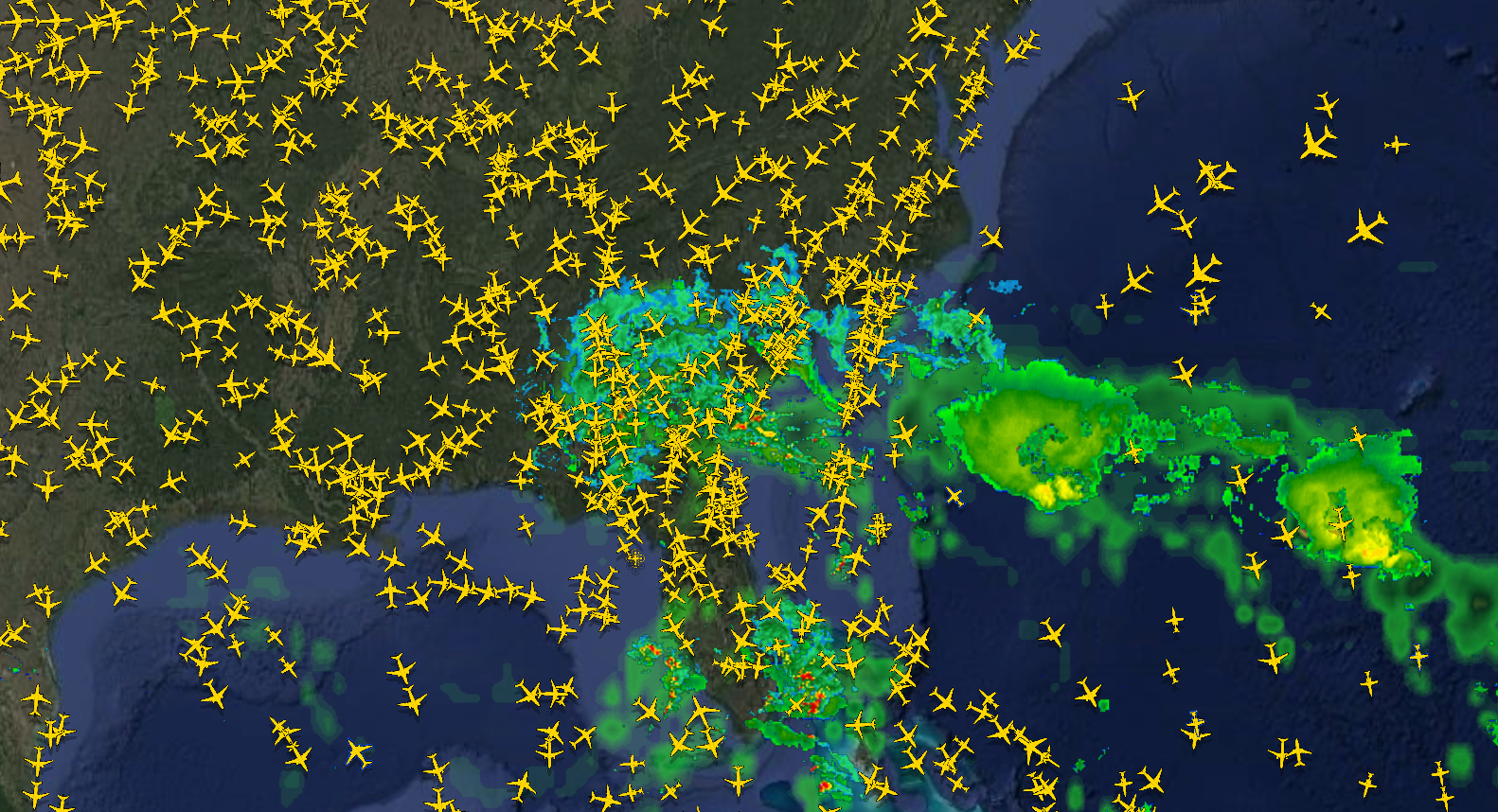
Saturday, Nov. 21, 7:00 a.m. ET: The forecast still has the heaviest rain and wind arriving Sunday evening and clearing by Monday morning. No airline travel waivers yet, but I'll update this page as soon as one goes up or the FAA plans delay programs for the New York airports.
Why Wind Hits New York Airports So Hard
New York's three big airports sit close together and share the same crowded sky, so when weather cuts how many planes can land each hour, all three feel it at once. Strong crosswinds can also force airports onto fewer runways, and LaGuardia in particular has very little room to spare on a normal day.
When that happens, the FAA usually slows the flow with what it calls a ground delay program, which basically means flights headed to New York wait at their departure airport instead of circling. If things get bad enough, it can stop flights entirely for a while with a ground stop. I explained the difference in what a ground stop is and how long it lasts.
Who's Most Likely to Be Delayed
Sunday evening flights in and out of New York are the ones to watch, especially anything scheduled between about 5 p.m. and midnight. Because so many planes start or end their day in New York, a bad night here can leave planes and crews out of position, so early Monday flights can wobble too.
It also lands at an awkward time. Sunday is the start of Thanksgiving week, planes are already full, and there won't be many empty seats to rebook people onto if flights get canceled. If you're flying home for the holiday early, keep an eye on why I'm planning for extra disruption this Thanksgiving.
What I'd Do If I Were Flying Sunday
If you can move your flight earlier on Sunday, do it. Morning and early afternoon flights should mostly beat the worst of it. Turn on alerts in your airline's app, and check the FAA's airport status page before you leave for the airport, since that's where ground stops and delay programs show up first.
If your airline cancels your flight and you decide not to travel, US rules say you're owed a cash refund, even on a nonrefundable ticket. And if an airline posts a weather waiver for New York, you can usually change your flight for free, so it's worth checking the travel alerts page on your airline's website Saturday night.