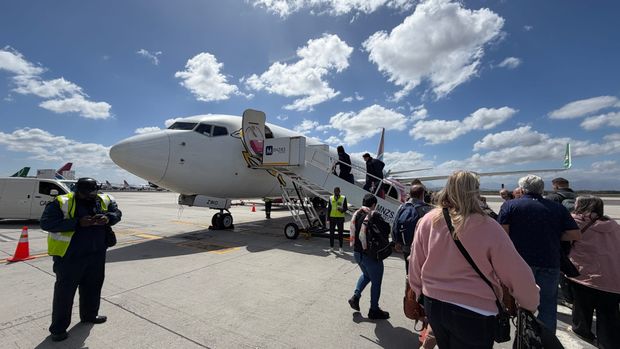
The FlySafair sale has cleared its biggest hurdle. South Africa's Competition Tribunal has approved private equity firm Harith General Partners' plan to buy the budget airline, which by some counts sells more than 60% of the seats on flights within South Africa. The deal, reportedly worth about R7 billion, is expected to close by the end of the year once the remaining approvals come through. For the millions of South Africans who fly FlySafair between Johannesburg, Cape Town and Durban, the airline's message is simple: nothing changes for now.
What Changes for Passengers
According to Harith, FlySafair will keep running independently under its current management, with the same low-cost model and the same offering for customers. "It is a demonstration of long-term South African capital backing a successful South African business," Harith CEO Sipho Makhubela said. FlySafair CEO Elmar Conradie said the airline was pleased with the tribunal's decision.
The part worth watching is Harith's other aviation business. It already owns a stake in Lanseria International Airport, Johannesburg's second airport and South Africa's only privately run international airport. An owner with interests in both an airline and an airport raises obvious questions about fair access for rival airlines, and the regulator is expected to set conditions to make sure competitors are treated fairly.
Why FlySafair Is Being Sold
FlySafair started in 2014 with two planes and now flies more than 30. It grew fast after the collapse of rivals like Comair, which ran kulula.com and British Airways flights in South Africa, and the long struggles of state-owned SAA, which is still paying its staff late, until it became the airline most South Africans fly at home.
That growth ran into a problem in 2024. After a complaint from rival airline Lift, a South African aviation regulator found FlySafair had broken the country's rules on who can own and control a domestic airline. Selling the airline to Harith, a South African investor, is meant to settle that for good. It's also a second try at a big airline deal for Harith, which was part of the group that tried and failed to buy a stake in SAA a few years ago.
For travelers, the bigger question is competition. With FlySafair already selling most domestic seats, any change in how it's run affects almost everyone flying inside the country. For now, the new owner is promising continuity.