If you're flying back to the US from anywhere abroad after November 3, there's a new step at check-in. Under a new order from the Centers for Disease Control and Prevention, every passenger on a US-bound flight will have to sign an Ebola travel declaration saying they haven't been in the Democratic Republic of the Congo in the past 21 days. That includes American citizens, and it applies even if your trip was nowhere near Africa.
What the Rule Says
The order covers flights departing for the US at or after 11:59 p.m. Eastern on November 3. It applies to passengers flying from any foreign country, on airlines, private jets and flights from airports where you clear US immigration before you leave, like Dublin or Toronto. Travelers connecting through the US to somewhere else have to sign it too.
Every passenger has to confirm they haven't been in Congo in the 21 days before their flight. Even a stop in Congo counts, including one where you never left the plane, though simply flying over the country doesn't. Each traveler fills out their own declaration, and parents sign for children under 18.
Airlines are responsible for checking it. They must refuse boarding to anyone who hasn't completed it, so skipping the form isn't an option. The order is set to run until December 18, unless the CDC changes it.
Travel Rules · United States
The New Ebola Form for US Flights
Contrail
How It'll Work at the Airport
The CDC is leaving the details to airlines, and it was set to brief major US and foreign carriers on how to comply on Friday. It recommends collecting the declaration at check-in or at the gate of your last airport before the US. It can be a paper form, a digital signature or a checkbox in an airline's app or website.
For most travelers, that should mean one extra tap when you check in online. If your airline uses paper, budget a few extra minutes at the airport.
Why Now
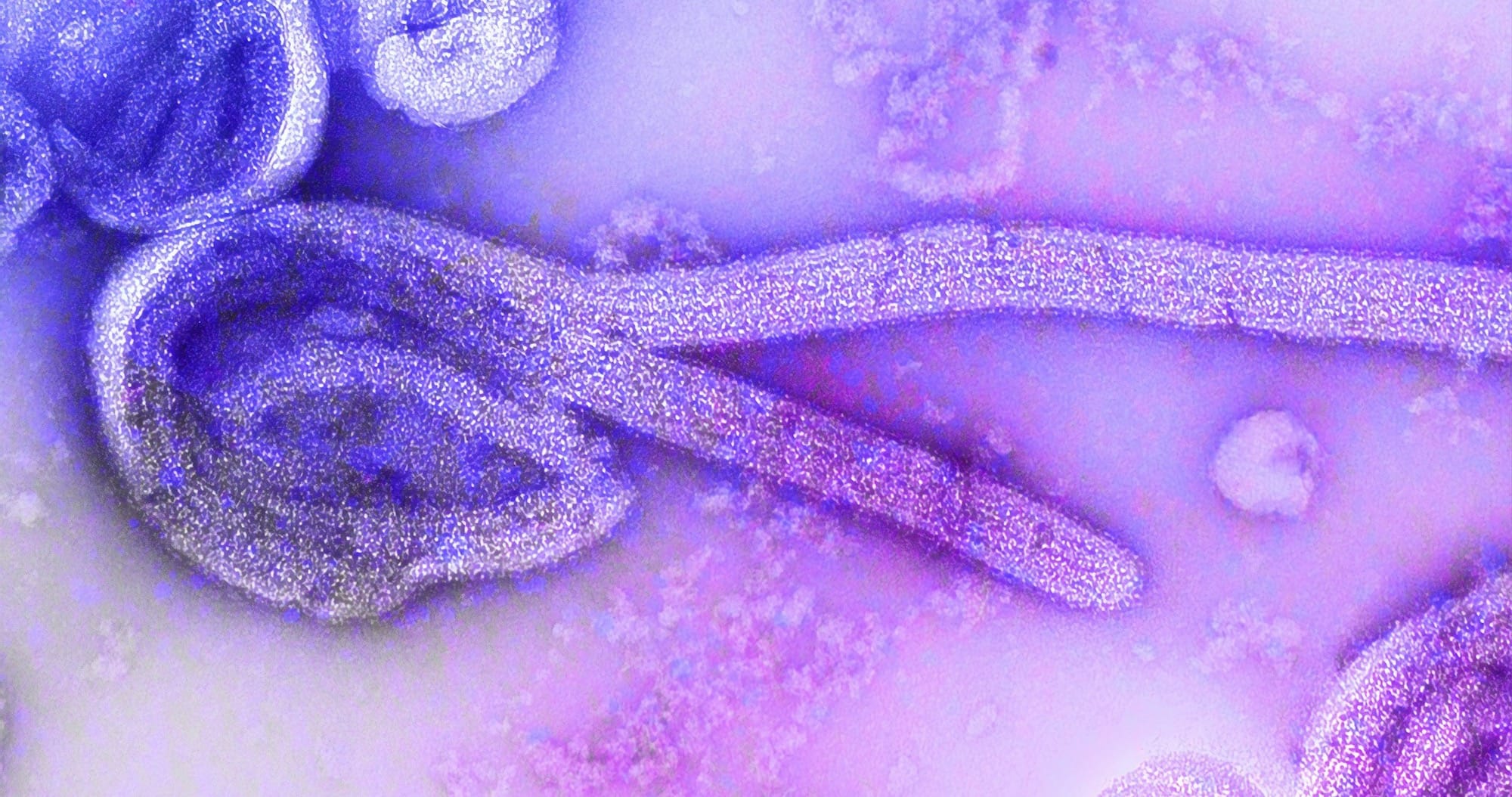
Congo has been fighting a large Ebola outbreak since May. It's caused by the Bundibugyo strain, a form of the virus that has no approved vaccine or treatment. As of October 21, the CDC had counted more than 9,700 confirmed cases and about 4,700 deaths, nearly all of them in Congo. Uganda has also had cases, and Kenya confirmed nine cases in Nairobi this month after a traveler who'd come from Congo through Uganda died there.
The US already bars anyone who has been in Congo in the past three weeks from boarding flights to the US, a rule that was extended to American citizens in July. The new declaration is how the government plans to enforce that on every flight, rather than relying on screening after people land.
The CDC says no Ebola cases tied to this outbreak have been reported in the US, and it rates the risk to the American public and to travelers as low.
If You've Been to East Africa
The rules are stricter if you've been near the outbreak:
- Congo: You can't board a flight to the US until 21 days after you left, even as a US citizen.
- Uganda or South Sudan: Foreign nationals who were there in the past 21 days can't enter the US. Americans can, but must fly into designated US airports for extra health screening.
- Kenya: There's no entry ban, but the State Department raised its Kenya travel advisory to Level 3, "reconsider travel," on October 20, citing Ebola among other risks.
If you've only been elsewhere, the new form is a box to tick. Just make sure you don't miss it when you check in.