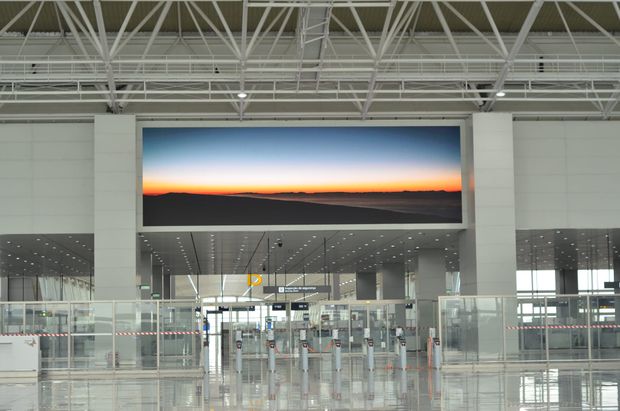
Angola has a new international airport, named after the country's first President, Dr. António Agostinho Neto. The airport was built as a replacement, and a bold move to replace Angola's now old airport, Quatro de Fevereiro Airport, which sits in central Luanda.
The Twenty-Year Build
In 2004, almost 22 years ago, the Government of Angola decided that instead of remodeling and redesigning its airport — which was a challenge, because there was no room for expansion due to the urban areas built up around it — they should build a new state of the art airport, one which would be a gateway for Angola to the world and for the world to Angola. They had plans more for the future. The soon to be built airport was conceptualized to become one of Africa's biggest airports and a dominant aviation player among the likes of Johannesburg's OR Tambo International Airport and Nairobi's Jomo Kenyatta International Airport.
In 2006 the building of the airport started, 40km from the old airport and the city. It would go on to become the largest airport ever constructed by a Chinese enterprise outside of China, and it would not be fully operational until nearly twenty years later.
The build took extensive delays due to various reasons, and contract terminations between the involved parties saw the original completion date of 2012 come and go. In 2017 the work came to a standstill entirely, when the government terminated its contract with China International Fund. It was not until 2020 that Aviation Industry Corporation of China took over and got the site moving again. The final cost is estimated at over $3 billion once the supporting infrastructure is counted.
President João Lourenço inaugurated the airport on 10 November 2023, but even then it opened in stages. Cargo services came first, then domestic flights in 2024. The first international flights only came on 1 February 2025, operated by TAAG Angola Airlines to Brazzaville and Kinshasa. Many other airlines moved their flight operations from the old airport to the new one across the course of that year, with TAAG completing the move of its own international network in October 2025.
I got the chance to go see the airport earlier this month during a roundtrip to and from Johannesburg.
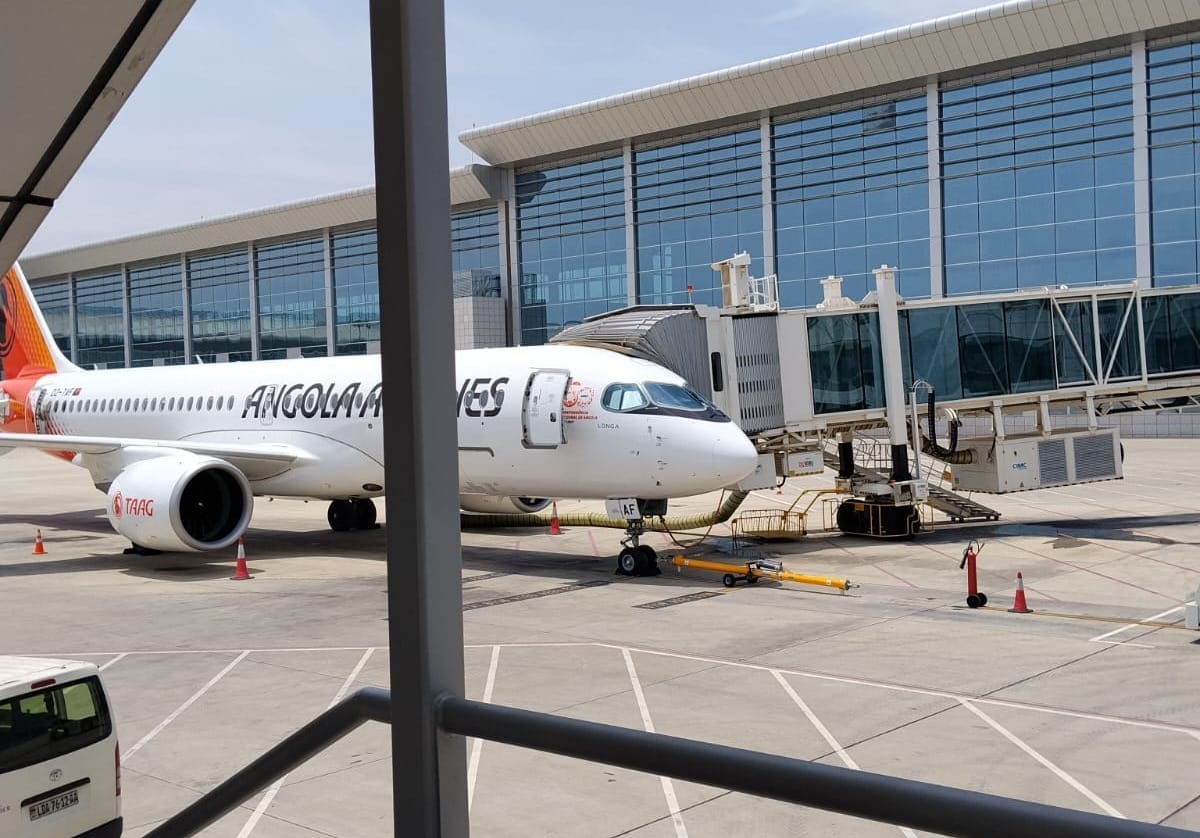
A World-Class Terminal Still Waiting for the World
The airport is truly spectacular. It was spacious, and featured high beamed ceilings, multiple luxury and food shops, wide walkways, properly planned out seating areas, a very good airport Wi-Fi connection, and even a designated play area for children. It is an airport which would not be bad to wait at for a connecting flight, or even to use when visiting the southwest coastal land.
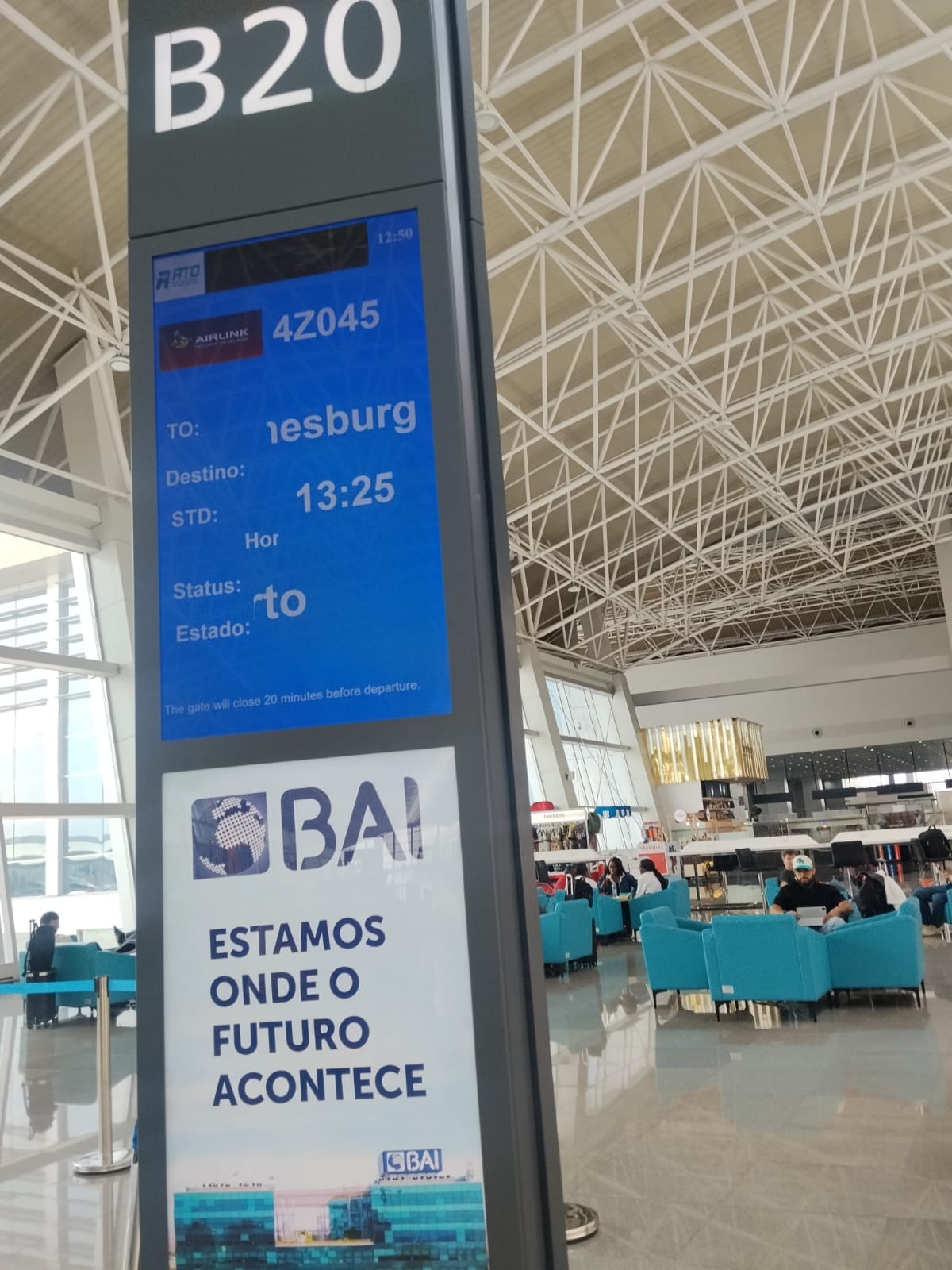
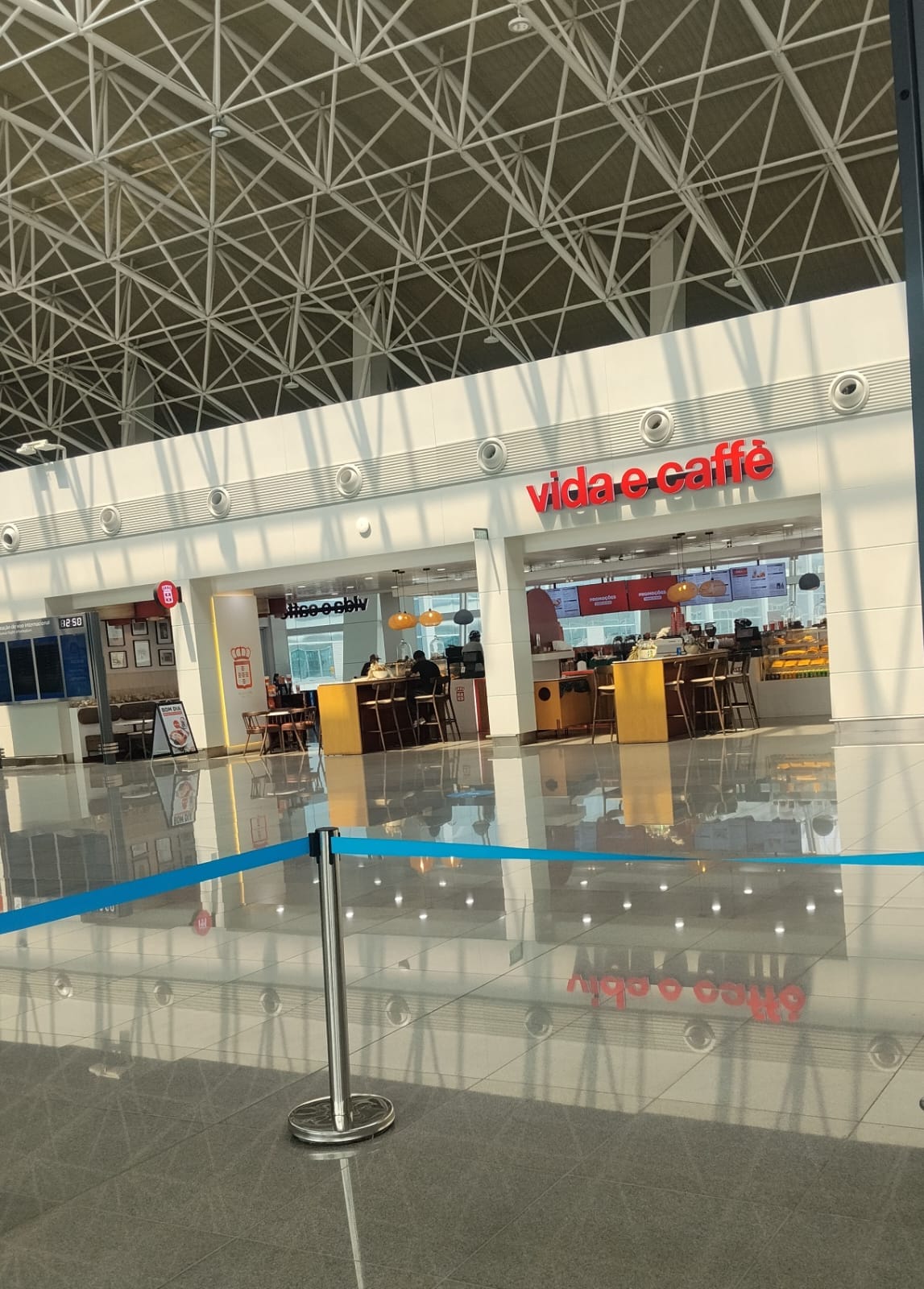
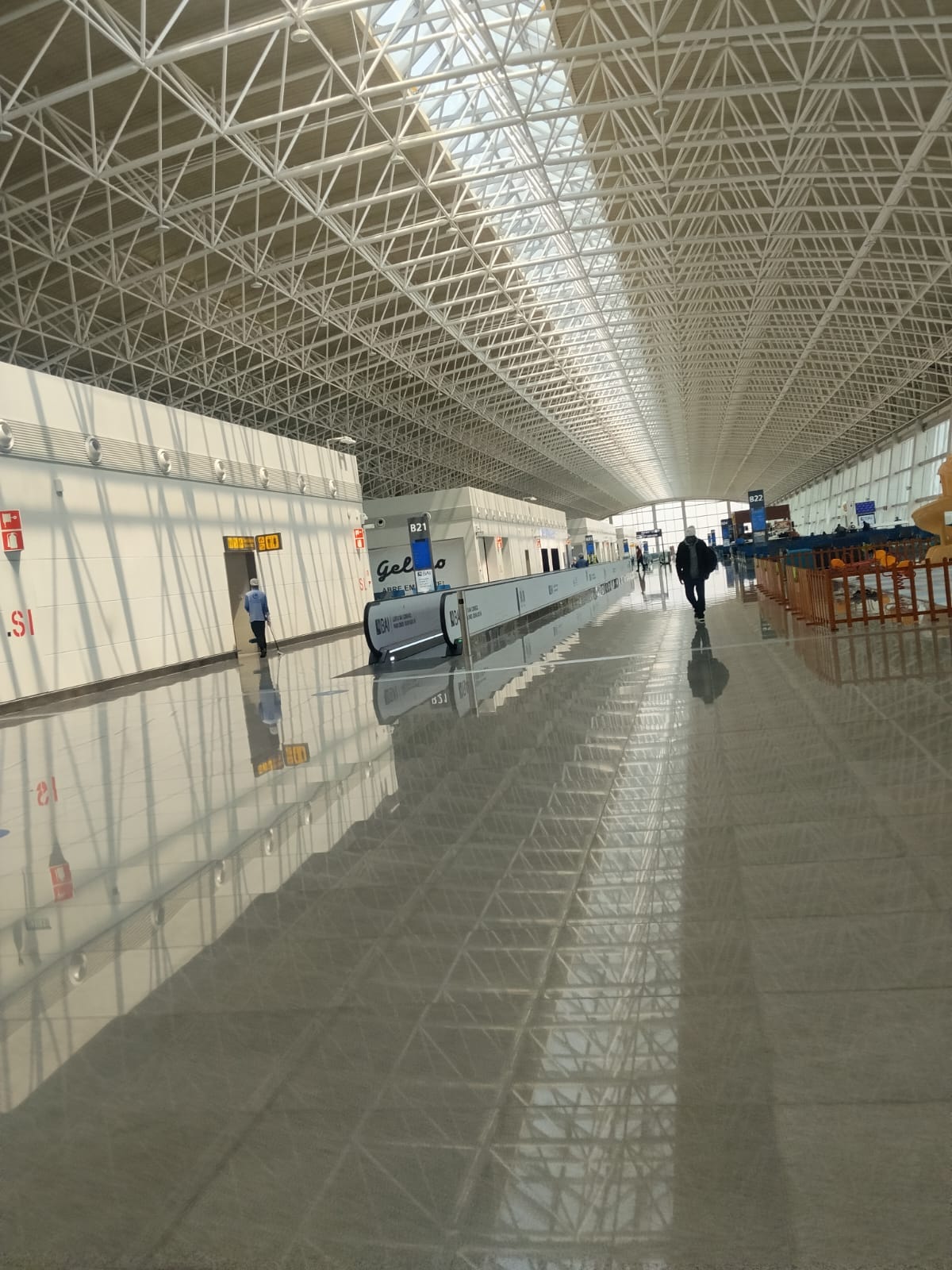
Dr. Antonio Agostinho Neto International Airport
But was it worth the wait? Well, its size exposed a small flaw in the airport. Its emptiness.
With the airport being designed to accommodate 15 million passengers annually and to serve as a connection hub, it lacked the numbers to support this. Only a limited number of airline operators fly there daily, and there was not that much movement of airport operations and passengers. For a $3 billion building, that is a lot of terminal waiting on airlines that have not arrived yet.
With that being said, I only spent a finite\ hours within the airport, on a [day of week], so I may not have been able to fully grasp the airport and where it is headed to, and maybe in the next coming months there will be a different reflection.
Quatro de Fevereiro has not closed completely. It stays open for executive and general aviation traffic, but after seven decades its run as Luanda's commercial gateway is over.
Aeroporto Internacional Dr. António Agostinho Neto has truly the potential to be one of Africa's biggest airports and a major connection hub in the world, but will it live up to its potential?