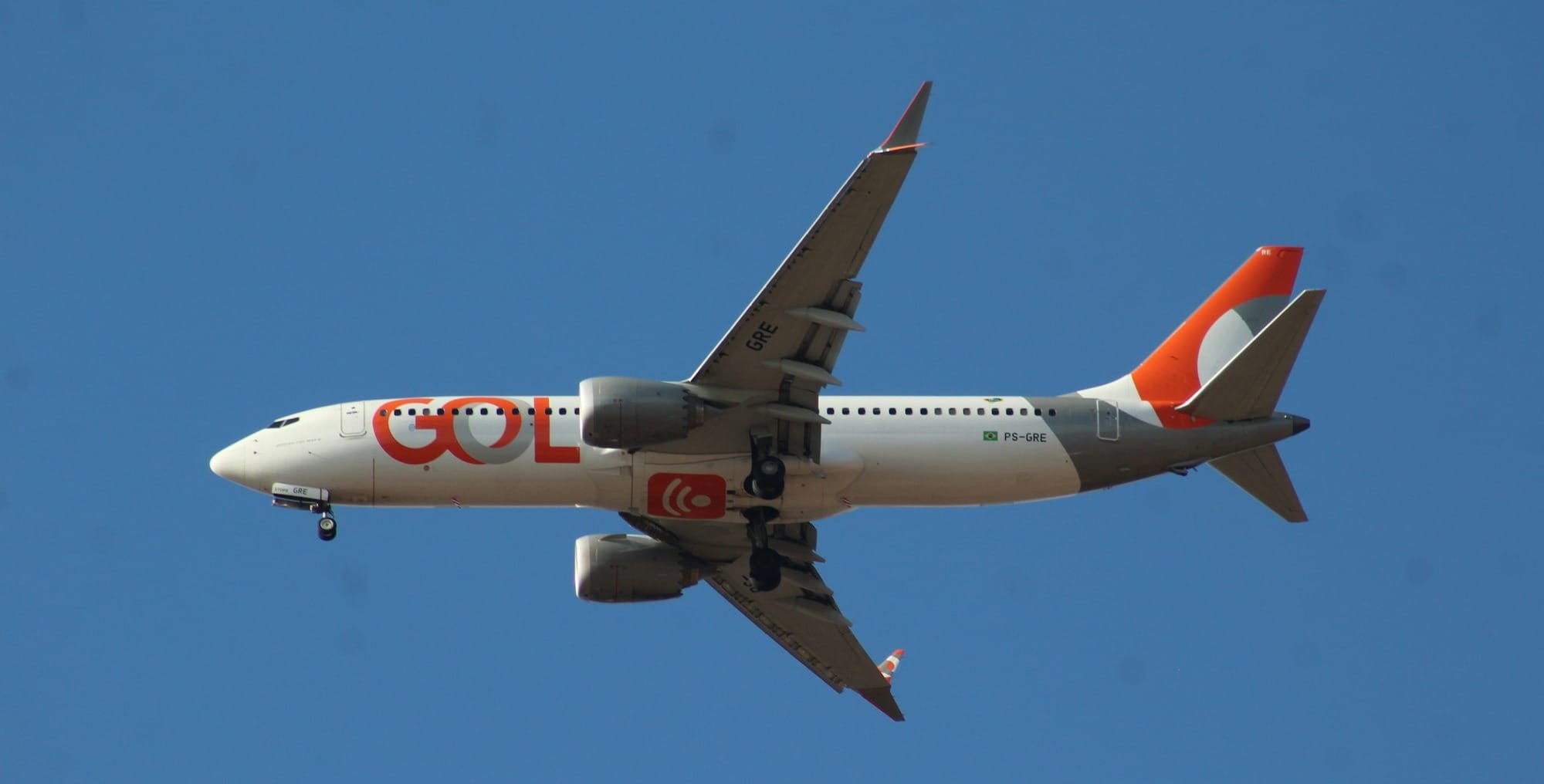
The war in the Middle East is now canceling flights thousands of miles away. Brazilian airline GOL is cutting several international routes starting in February 2027, including flights from Brazil to Miami, Orlando and Punta Cana in the Dominican Republic. The reason is fuel: GOL says the price of jet fuel has roughly doubled and now makes up about 40% of its costs.
GOL announced the cuts on Wednesday, October 14. It was the last major Brazilian airline to trim its network this way.
Fuel Costs · GOL
Flights Cut From February 2027
Contrail
The Routes Being Cut
According to Brazilian news reports, the international flights GOL is suspending from February include:
- Brasília to Miami
- Belém to Miami
- Brasília to Orlando
- São Paulo to Punta Cana
- Rio de Janeiro to Montevideo, Uruguay
- Rio de Janeiro to Asunción, Paraguay
GOL is cutting some flights within Brazil too. The airline said travelers will still be able to reach these places through connecting flights and its airline partners, though that usually means a longer trip. GOL hasn't said when, or whether, the routes will return.
Why Fuel Matters So Much
Every airline runs on jet fuel, and this year it's become far more expensive. The war involving Iran and the closure of the Strait of Hormuz, the narrow waterway that carries much of the Gulf's oil, sent prices soaring in late February. Jet fuel more than doubled by April, and the global airline group IATA's latest weekly figure puts it at around $190 a barrel. This month's attacks on Saudi Arabia, including on its state oil company, have added to the pressure. Contrail covered that link when we looked at why flights cost more this year.
For an airline like GOL, the math is brutal. Fuel is priced in dollars while Brazilian airlines earn much of their money in Brazil's currency, so a fuel spike hurts them twice. Long flights to the US burn the most fuel per trip, which makes them the first to go when the numbers stop working.
GOL Isn't Alone
Airlines around the world have been cutting flights all year as fuel costs climb, alongside airspace closures across the region that force longer routes:
- United cut its capacity by about 5%.
- Air Canada suspended flights from Toronto and Montreal to New York's JFK.
- Cathay Pacific trimmed about 2% of its flights, and its budget arm HK Express about 6%.
- Qantas cut domestic flying in Australia.
The pattern is the same everywhere. Airlines cut their least profitable flights first, which often means cheaper, less busy routes and off-peak times.
What It Means for Travelers
If you're flying between Brazil and Florida next year, expect fewer nonstop options and possibly higher fares on the flights that remain, since LATAM and US airlines will face less competition on those routes. Book early if you can, and check whether your existing GOL booking is affected.
More broadly, as long as fuel stays this expensive, airlines everywhere will keep trimming flights that don't pay. A war you may never see up close is quietly shaping which flights exist and what they cost.