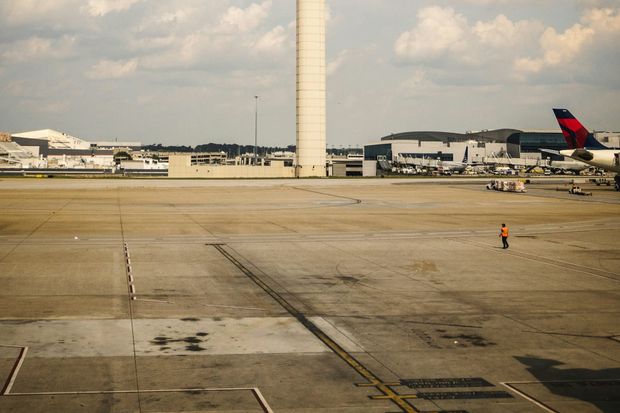
A new FAA runway rule took effect on Tuesday, Nov. 24, the same day the agency expects its busiest Thanksgiving flying schedule in 16 years to hit full swing. It changes when air traffic controllers can use a technique called "line up and wait," and at least one controller has warned on the radio that it could slow departures. Here's what the rule does, why the FAA made it and what it could mean for your flight this week.
What "Line Up and Wait" Means
When you're sitting in a long line of planes waiting to take off, controllers have a trick to keep things moving. Instead of making each plane wait at the edge of the runway until it's cleared for takeoff, they can tell the next plane to taxi onto the runway and sit there in takeoff position while the plane ahead finishes its departure or a landing plane clears. When it's that plane's turn, it's already lined up and ready to go. It only saves seconds per flight, but on a busy afternoon those seconds add up across hundreds of departures.
The tradeoff is safety. A plane sitting on an active runway is exactly where controllers don't want to lose track of it, and runway collisions have happened this way before, most famously a deadly 1991 crash at Los Angeles International Airport, when a landing jet hit a commuter plane that had been told to wait on the runway. That's why the technique already came with extra rules.
What Changed on Nov. 24
The FAA's Notice JO 7210.979, issued in October and effective Tuesday, adds one requirement: whenever a tower uses line up and wait, a supervisor or controller in charge has to be watching the operation full time, in a position that "must not be combined with any other position." Before, the FAA recommended that setup. Now it's mandatory. The FAA says the goal is to raise the safety standard and remove any confusion about staffing. The notice runs through June 9, 2027.
That sounds small, but towers don't always have a spare person. Many have struggled with controller shortages for years, and a supervisor who's also covering another position wouldn't count anymore. If a tower can't free someone up, controllers can still run the airport, they just can't use line up and wait, so planes go back to holding short of the runway until they're cleared.
Could It Delay Your Flight?
Possibly, but nobody knows how much yet. A controller at the Albuquerque tower told a Southwest pilot on Monday that the rule was coming nationwide and could slow departures, according to a radio exchange reported by TheTravel. The same controller suggested larger airports might end up with exemptions if airlines complain about delays. The FAA hasn't announced any exemptions, and the notice itself doesn't mention any.
The airports most likely to feel it are busy ones where the tower is thin on staff, especially at times of day when fewer people are on shift. Big hubs usually have supervisors on duty, so the effect there may be small. As of midday Tuesday, the FAA wasn't reporting any ground stops, and the delays it did list, in Houston and Miami, were blamed on wind and heavy traffic rather than this rule. I'm watching for any pattern as the evening rush builds and will post it on my Thanksgiving flight delays live tracker.
What to Do If You're Flying This Week
You won't see this rule on a departure board, but you might feel it as a longer wait on the taxiway. Give yourself extra time on connections, especially tight ones this afternoon and evening, and pick morning flights when you can, since delays tend to build through the day. Weather is still the bigger risk this week, with wind in the Bay Area tonight and a nor'easter aimed at the Northeast on Thanksgiving Day. If your airline posts a waiver to move your flight for free, you'll find it on my Thanksgiving waiver tracker.