Can airlines tell you what to wear? An Australian fitness influencer is the latest traveler to find out the answer is mostly yes, and that the rules behind it are a lot vaguer than most people expect.
Caitlin Lyndon says Virgin Australia cabin crew told her to zip her jacket up over her sports bra on a flight from Brisbane to Melbourne this month, according to the UK's Daily Star. She says a friend traveling with her in a similar outfit wasn't asked to cover up, and that she'd worn gym clothes on her outbound flight without any problem. Lyndon says the experience left her feeling "body shamed."
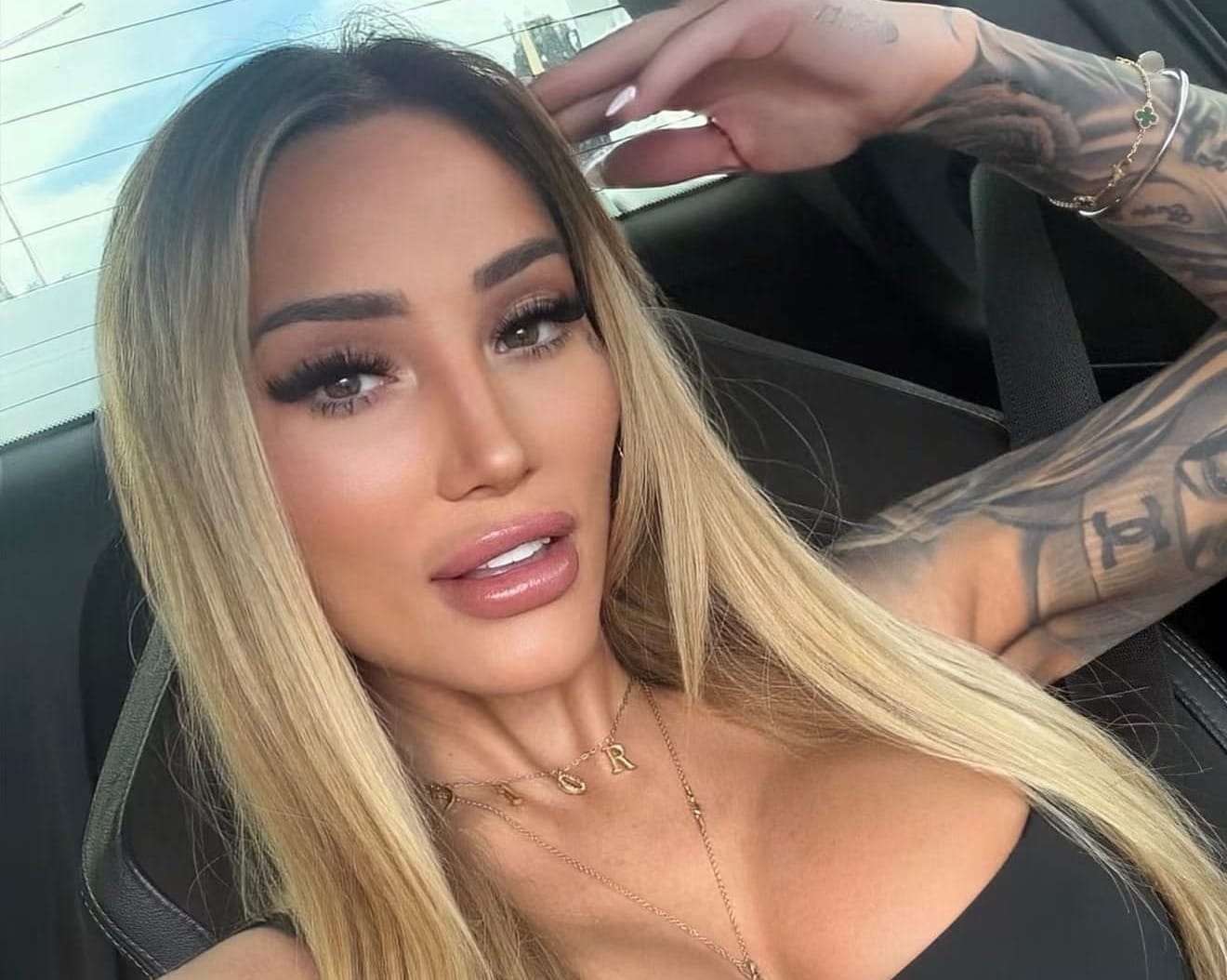
Virgin Australia said it had contacted Lyndon to apologize and that it's committed to treating guests fairly and respectfully. Lyndon has called that message insincere and is seeking a formal apology.
Airline Dress Codes
What the Rules Actually Say
Contrail
It Keeps Happening
Stories like this pop up every few months, and they tend to follow the same pattern: a woman in gym wear, a gate agent or flight attendant who decides the outfit is too revealing, and a viral video afterward.
In June, German fitness influencer Edda Elisa said a gate agent in Berlin told her she was "naked" and couldn't board in a sports bra-style top and cycling shorts until she zipped up a hoodie. Lufthansa Group said it expects passengers to dress appropriately but that the word "naked" didn't meet its standards. Back in 2021, American Airlines denied a fitness model boarding in Dallas over her shorts and crop top, saying "all customers must dress appropriately and offensive clothing isn't permitted onboard our flights."
What the Rules Actually Say
Every airline has a set of rules you agree to when you buy a ticket, usually called the contract or conditions of carriage. Most include a line about clothing, and almost all of them are written loosely on purpose.
American's says passengers must dress appropriately and that "bare feet or offensive clothing are not allowed." United requires passengers to be "properly clothed." Delta can remove passengers whose "attire" creates "an unreasonable risk of offense or annoyance to other passengers." Spirit went further than most last year, spelling out that "see-through garments or outfits that do not sufficiently cover private areas" count as inadequate clothing.
Virgin Australia's published conditions don't single out clothing at all, but like most airlines, it reserves the right to refuse to carry passengers who break its rules or policies.
Why the Rules Are So Vague
Words like "appropriate" and "offensive" leave the final call to whoever is standing at the gate or working the cabin that day. Airlines like it that way because it lets staff deal with genuinely extreme cases without writing a rulebook for every outfit.
The downside is inconsistency. What one gate agent waves through, another might stop, and that's exactly what Lyndon says happened between her two flights. It's also why these disputes so often involve women's clothing. Critics say rules this loose leave too much room for personal judgment about women's bodies.
How to Avoid Trouble
None of this means you need to dress up to fly. Gym wear, leggings and sweatpants are completely normal on planes. But if you'd rather not end up arguing at the gate, a few things help:
- Bring a layer. A zip-up or light jacket in your carry-on solves almost every dress code dispute in seconds, and planes get cold anyway.
- Skip slogans that could offend. Several airlines' rules specifically cover offensive clothing, which can include words or images on a shirt.
- Wear shoes. Several airlines, including American, explicitly ban bare feet.
- Stay calm if you're stopped. Ask politely which rule you're breaking, cover up if you can, and raise a complaint with the airline afterward rather than at the gate. Arguing with staff can get you denied boarding for your behavior instead.
If you think you were singled out unfairly, write down the date, flight number and names if you can, and file a complaint with the airline afterward. Virgin Australia, for its part, did reach out to Lyndon after she spoke up.