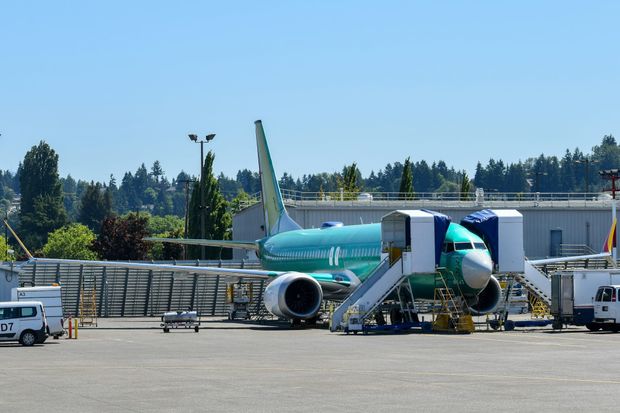
The biggest version of Boeing's 737 MAX is a step closer to carrying passengers. Boeing's new 737 production line in Everett, Washington, has reportedly cleared a key FAA approval, the sign-off it needs before planes built there can be handed over to airlines. Meanwhile the first Boeing 737 MAX 10 built on that line has started its engines for the first time.
That might sound like factory news, but it matters if you fly. Airlines have spent years waiting on late Boeing deliveries, and fewer new planes has meant fewer seats and higher fares on busy routes. More factory space is how Boeing plans to catch up.
What Just Happened
Boeing has long built its 737s at its factory in Renton, south of Seattle. This year it opened a fourth 737 line, known as the North Line, inside its giant Everett plant, where it had only ever built bigger widebody jets. The $1 billion line started up in July, about two years later than first planned, and Boeing rolled out the first 737 MAX 10 built there on Oct. 26.
Building a plane and delivering it are two different things, though. Before an Everett-built 737 can go to an airline, the FAA has to add the new line to Boeing's production certificate, the approval that says a factory can build planes that match the certified design. That's the step Boeing has now reportedly cleared. The FAA is still expected to inspect the first several jets closely to make sure they match the ones coming out of Renton.
Why the 737 MAX 10 Matters
The MAX 10 is the longest 737 Boeing has ever built, with room for up to 230 passengers. The FAA certified it on Oct. 20 after years of delays, and more than 30 customers have ordered over 1,500 of them. Canada's WestJet is set to be the first airline to fly it, and United, Delta and Ryanair have all ordered it too.
For travelers, a bigger plane on the same route means more seats on every flight without adding more flights to crowded airports. That matters most at busy hubs where airlines can't add many more takeoffs and landings.
What Still Has to Happen
Don't expect to board one tomorrow. The MAX 10 still needs a few technical updates before deliveries can start, including an improved sensor and changes to its anti-icing system. Boeing also plans to build the first 10 planes on the new line slowly while it checks every step of the process.
The bigger picture is production. The FAA capped Boeing's 737 output after a door plug blew off an Alaska Airlines jet in January 2024. That limit has since gone up to 42 planes a month, and Boeing has a path to 47, with 52 as the eventual goal. The Everett line is a big part of how it gets there.
What It Means for You
None of this changes your Thanksgiving trip. But if Boeing can finally deliver planes on time, airlines will have more seats to sell, and that tends to help fares over time. I'll be watching for the first MAX 10 delivery to WestJet, since that's when this plane actually starts carrying passengers. In the meantime, you can see how the airlines that fly the 737 stack up in the Contrail Index.