
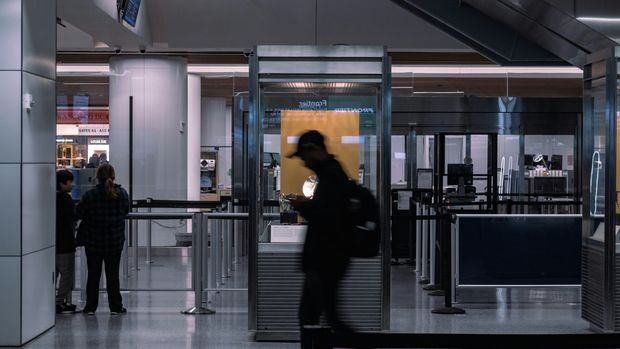
TSA is bringing back the airport goodbye. As of this month, people without a ticket can clear security and walk to the gate at thirteen US airports, through a program called Gateside by TSA PreCheck. It's the widest rollback yet of a restriction that came in after 9/11, and it landed in the same week as the twenty-fifth anniversary of the attacks.
Let me be straight about where I sit before I make my argument. I've got PreCheck, I fly constantly, and I'd qualify for this. I also think the emotional case for it is real. Meeting your grandmother at the gate instead of at baggage claim is better. Watching a service member come home to their family in the jet bridge, rather than forty minutes later in a parking garage, is better. I'm not going to pretend otherwise.
My concern isn't the idea. It's the room.
What the program actually does
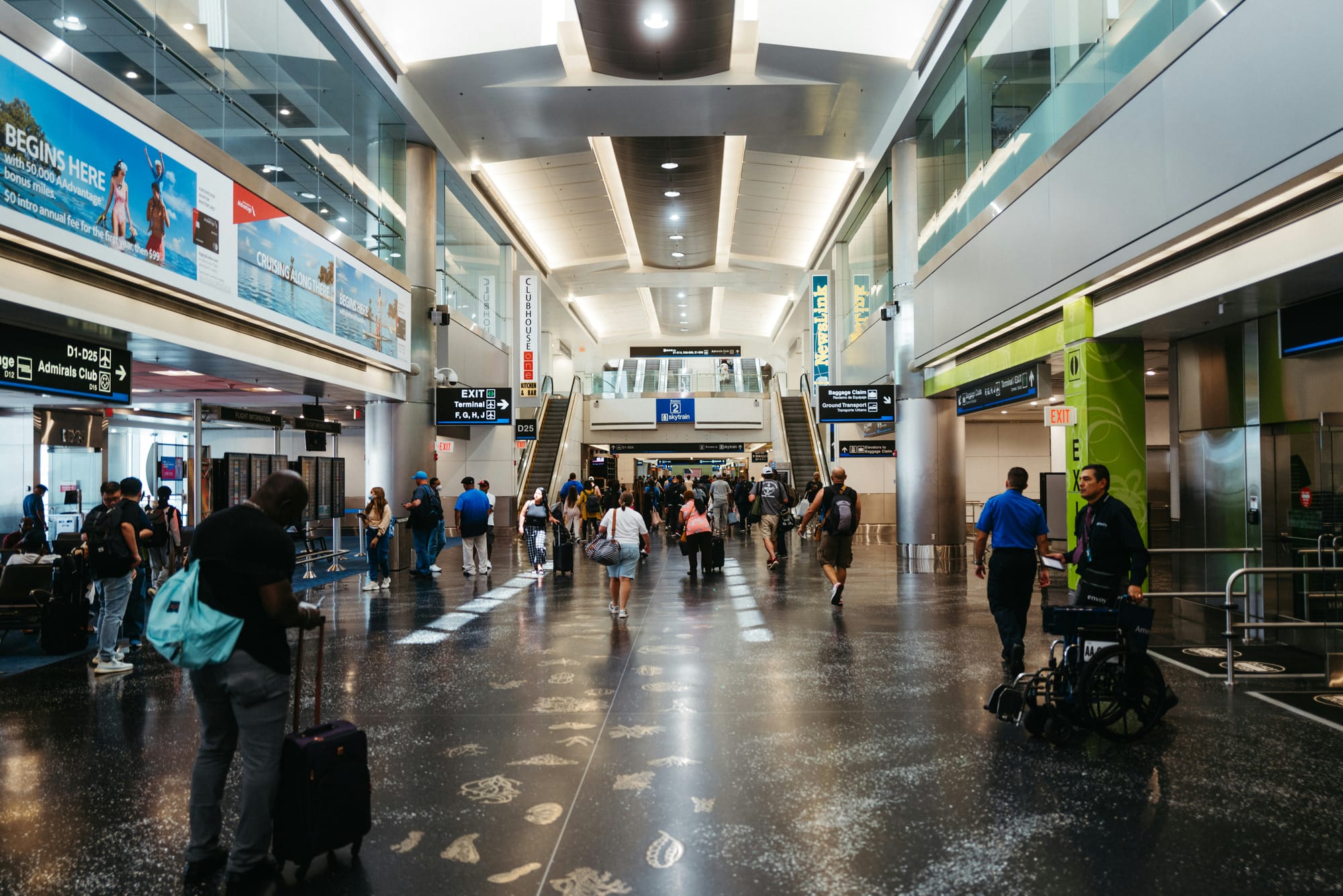
The mechanics are simple enough. You need PreCheck benefits and a Known Traveler Number, you apply online one to three days before your visit, and if you're approved you show an acceptable ID at the PreCheck lane on the day. There's no paper or digital pass to carry. The visit is free, good for one calendar day, and it lets you come and go the same day.
Eligibility runs to US citizens and US nationals, plus lawful permanent residents and active members of the Armed Forces. Children have to be added to a parent or guardian's application. If you don't have an acceptable ID, TSA says it will verify who you are through its ConfirmID service for a fee.
Everybody going into the secure area still gets screened, which is worth saying plainly. Whatever the boarding pass requirement was doing for the past twenty-five years, the screening itself hasn't changed.
It's live at thirteen airports so far, and TSA says it plans to expand.
Where it works · 13 airports at launch
Gateside by TSA PreCheck
Airports accepting non-traveler gate access as of September 2026.
Access requires TSA PreCheck benefits and a Known Traveler Number, and applies only to the airport approved for that visit. TSA says it plans to add more airports. Detroit and San Diego separately run their own visitor pass programs.
contrail.travel
Look at the uses TSA lists
Here's where I start to part ways with the framing. The program's being sold on reunion and homecoming, and those are the images most of the coverage reached for. But look at the uses TSA itself puts on the page: meeting family at the gate, joining a friend on a long layover for a meal, visiting airport dining and shopping, and greeting service members returning from deployment.
Two of those four are shopping and eating. The chief executive of the Columbus airport authority talked about the program in terms of sharing a meal together before a flight and spending time in the terminal.
My read, and it's only my read, is that a program which sends more people past the concession stands is worth something to an airport beyond the goodwill. I don't think that's sinister. I'd just rather it were part of the conversation, because the nostalgia framing doesn't mention it at all.
The capacity question
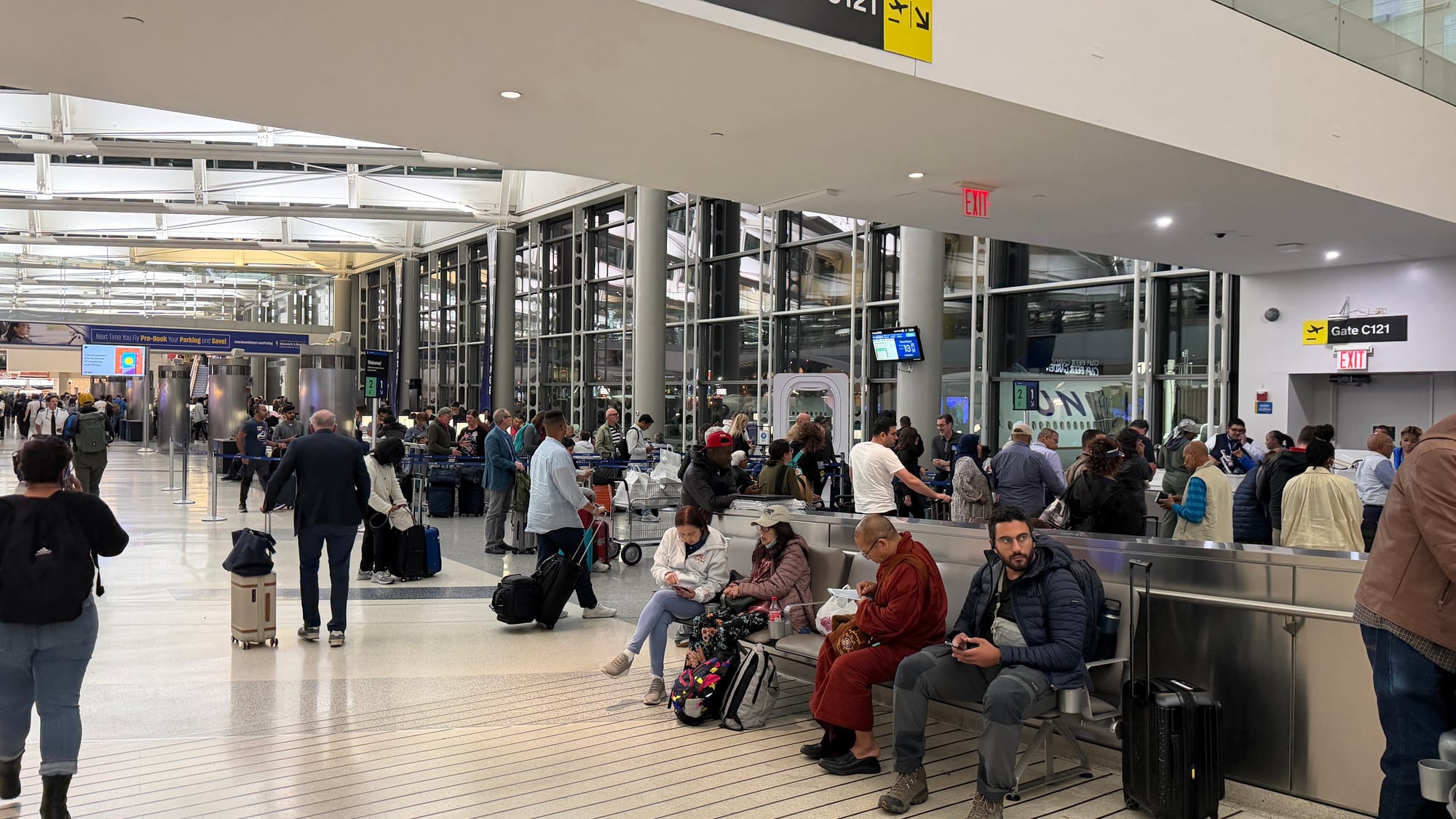
Anyone who flies a lot knows the gate area isn't exactly roomy. I've spent a good part of this year in them, and the ordinary experience at a mid-afternoon bank of departures is that the seats went first, the floor outlets went second, and a decent share of the people waiting to board are standing.
That's before you add anybody who isn't flying.
TSA's own page notes that availability may be limited when an airport is operating at high capacity. I read that as the agency acknowledging the program adds load, and that the load will sometimes be more than a concourse can take. What the page doesn't say is who gets priority when that happens, or what "limited" means in practice at LAX on a Friday afternoon.
I'd like to know, because if there's a cost here it doesn't land on the program. It lands on the person who paid for a seat on the aircraft and can't find a seat at the gate.
The gate area runs on a shared stake
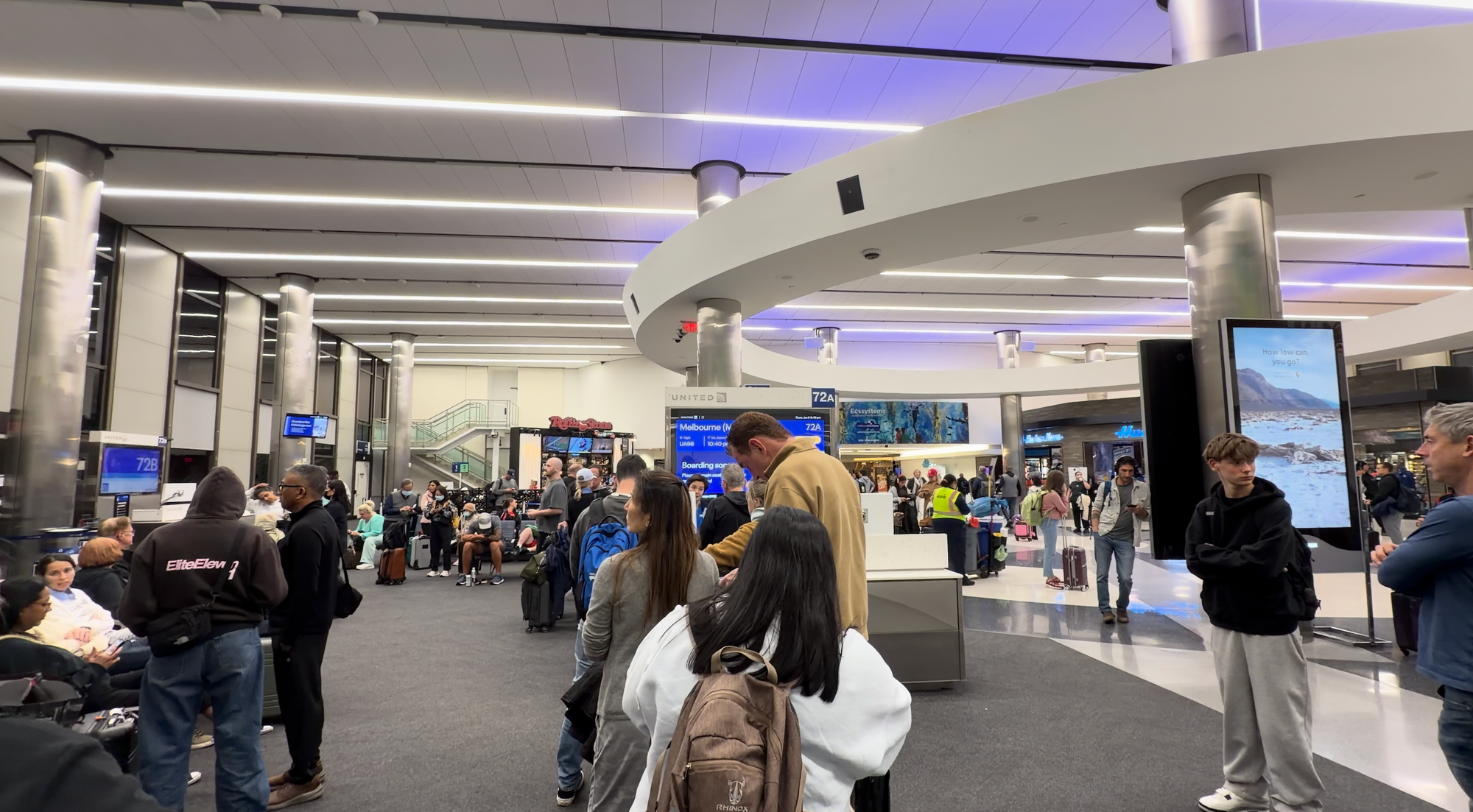
There's a quieter thing I keep coming back to. Gate areas work, to the extent they work at all, because everybody standing in one has the same problem. You're all trying to get on the same aircraft. I think that shared stake is part of what keeps the crowding from getting worse than it already does, and part of why a gate agent's announcement lands with any authority at all.
Take it away and you've got people in that space with no stake in the departure and no particular reason to listen to a boarding announcement. I'm not suggesting visitors will behave badly. I'm suggesting that boarding is already where passenger behavior is roughest, and that I can't see what in this program would push in the other direction.
Gate agents are the ones working that space. A gate agent at boarding time is handling the podium, the standby list, the upgrade list, the bag count and a departure time, in front of a crowd that's already anxious. Adding people who are there to say goodbye, and who are under no obligation to be anywhere at any particular moment, seems likely to change that job. I haven't found any public comment from the airlines or the agent unions on it either way, which is its own answer of a kind.
The part that bothers me most
If this is mainly about reuniting families, the program is aimed oddly.
You need PreCheck to use it, which means an application, a background check, fingerprints and a fee. The airline-issued gate pass, which airlines have long given out in limited cases like accompanying a minor or a passenger with a disability, or meeting a military member, still sends the holder through the standard screening lane regardless of what trusted traveler program they're in.
So on the sources as I read them, the narrow cases go through the regular line and the paid enrollees get the PreCheck one. Detroit and San Diego are both on the Gateside list while already running their own visitor pass programs, which means at those two airports there are now two routes airside operating side by side.
That's my actual objection, and it isn't about the idea of visitors at the gate. The mismatch isn't in the program, it's in the label. A membership benefit is being described as the return of something that used to be open to everybody.
What would change my mind
Publish the numbers. Tell us how many passes a day each airport is issuing, what the cap is, and how that cap moves with the departure bank. Ask the gate agents what happens when a concourse is full. And if the goal really is homecomings and goodbyes, I'd rather the door were wider, so the family on a visitor visa seeing their daughter off has a route airside too.
I'll use this. I'll probably use it before the year is over, and I expect the first time I watch somebody meet their mother at the gate I'll think it was worth it. That doesn't settle the question of who absorbs the crowding, and on the evidence so far it's the person standing by the window with a boarding pass and nowhere to sit.


