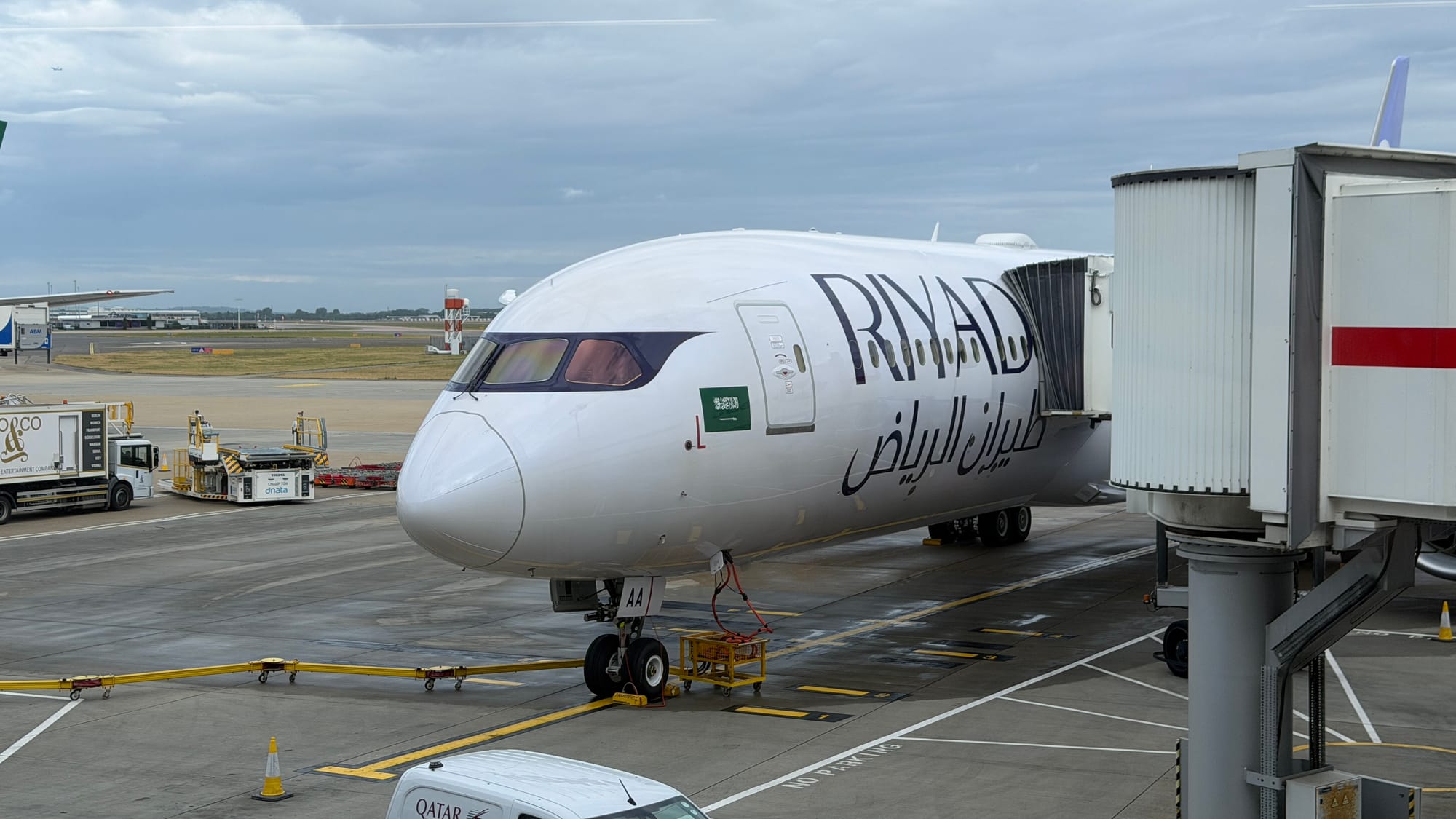
The Middle East's newest premium airline is growing at a rapid rate, and it is about to achieve another major milestone.
On August 4th, Riyadh Air is releasing their long-awaited Mumbai route, marking their official entry into the Indian aviation market. On paper, the new Mumbai service is merely one of many new routes the airline has launched since its debut in June. The truth though is much more complex than one could decipher from a press release. India is one of the world's most important aviation markets, and other gulf carriers like Emirates and Etihad have long had a monopoly on passenger traffic in and out of the country. This is partially a result of well-placed hub airports which lie only 3-4 hours away from most major Indian cities and allow passengers to conveniently connect to and from Europe and North America.
Serving India: The Prizes and the Problems
Entering the Indian market unlocks a whole new sector of demand that many airlines profit from. Not only is India one of the world's most populous nations, it also has a large number of citizens living abroad. This results in a special market that has both an abundance of passengers going back and forth visiting family and friends (VFR travel) and passengers traveling for business activity. As such, the market is fairly well-rounded and demand is somewhat predictable, which is a rarity in the commercial aviation world.
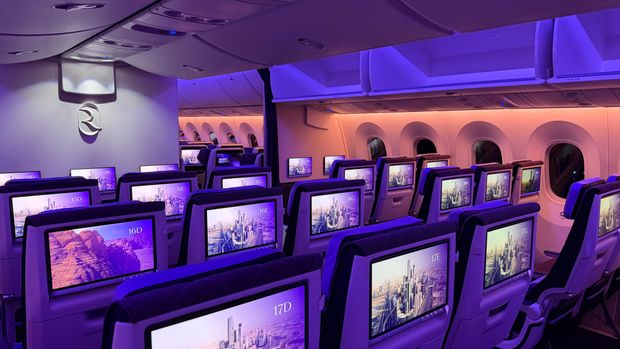
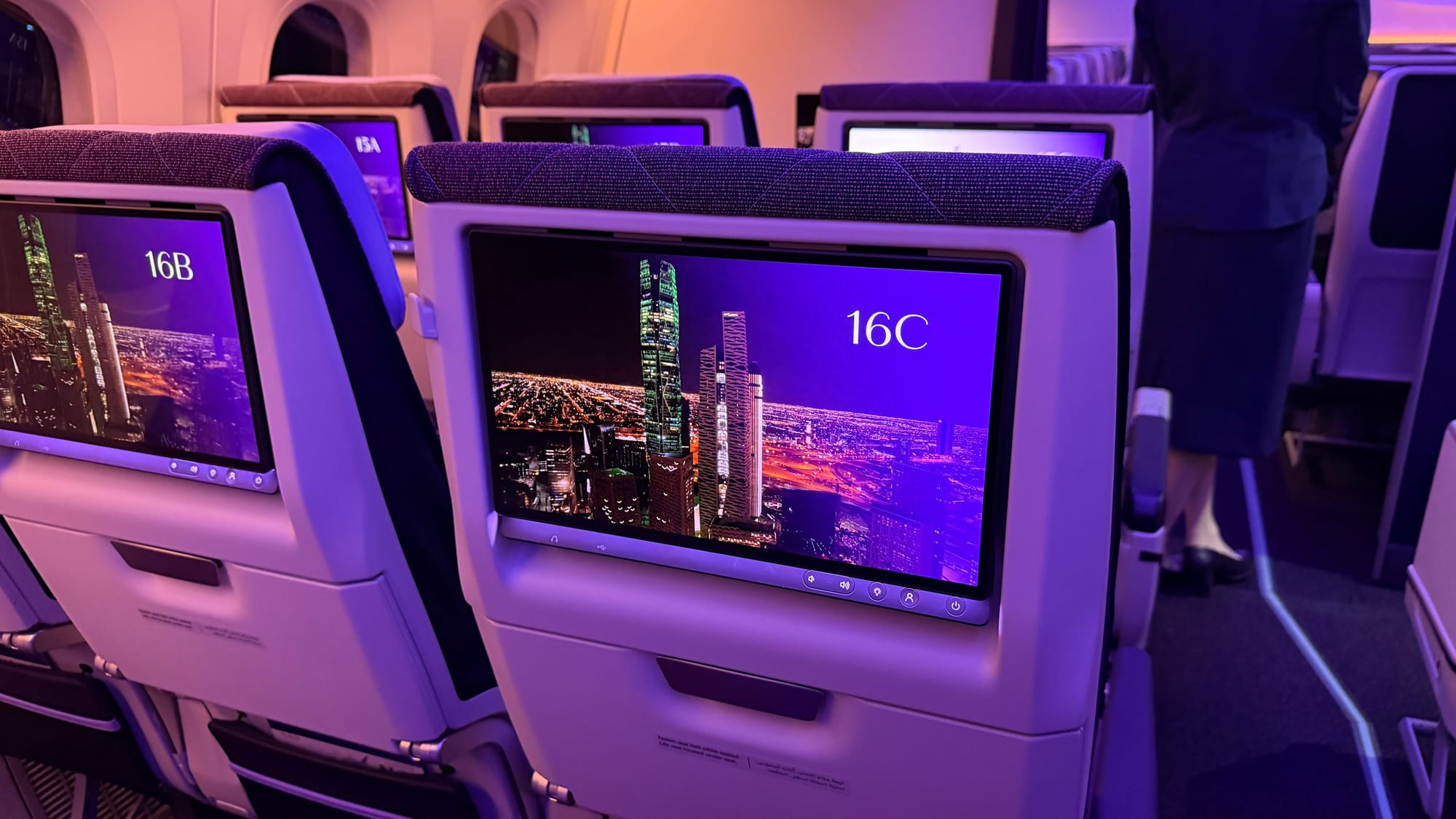
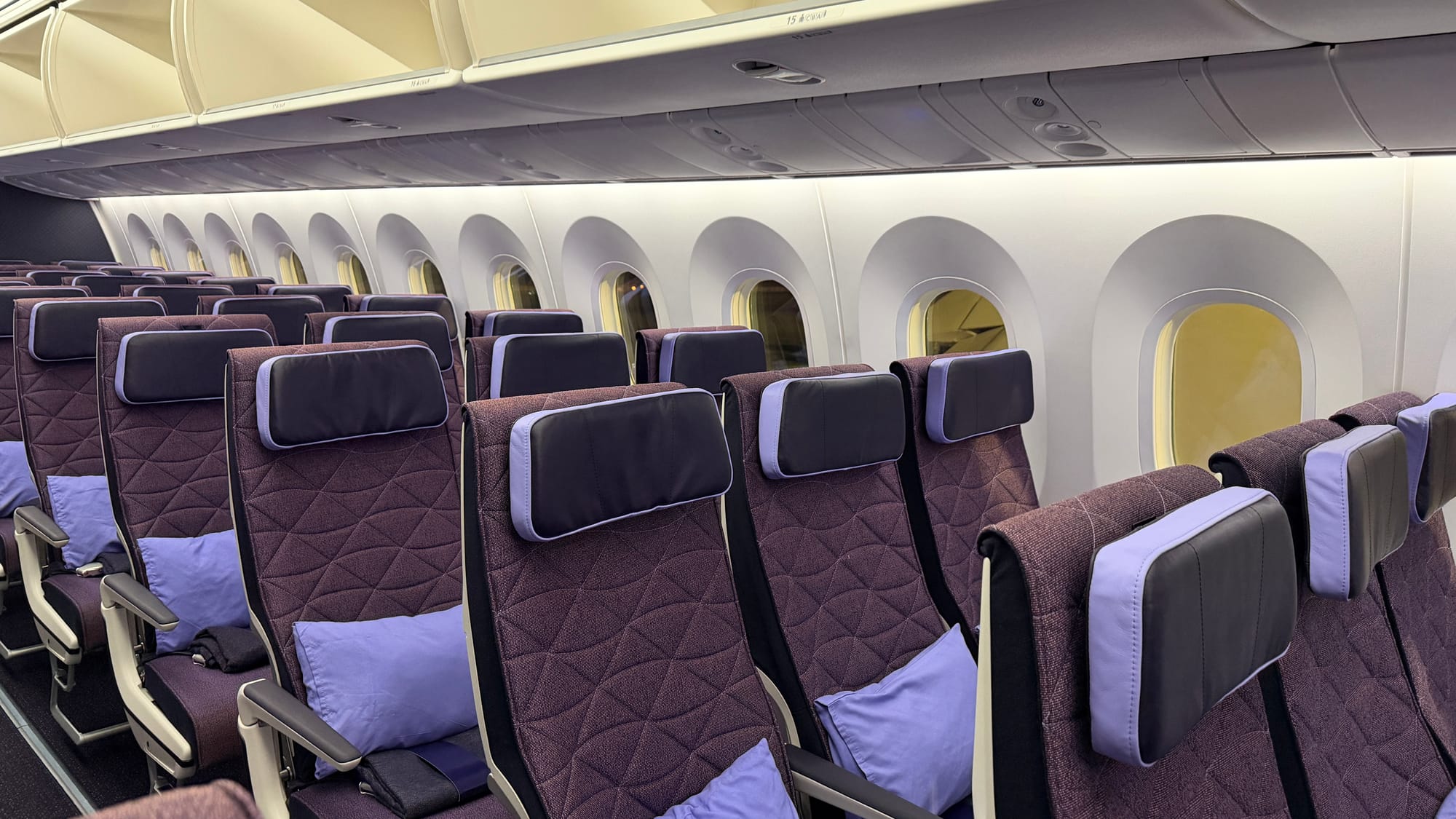
Riyadh Air's proprietary three-cabin 787's will also fit cleanly into the market, giving passengers more choices than rival airlines like Etihad and Qatar Airways who mostly operate two-cabin aircraft that lack a dedicated premium economy cabin. Riyadh Air has also made significant investments in its onboard experience, notably offering world-class entertainment screens and seat tech in all cabins coupled with professional service that rivals other ultra-premium carriers. I flew their first commercially sold passenger flight in June and was most impressed with the hard product.

Though the Indian market has a lot of upsides for airlines, it also comes along with its fair share of challenges, one of which is navigating geopolitical strife. Recent conflict along the country's borders as well as instability in neighboring nations has resulted in constantly changing airspace restrictions in the land between India and the gulf states. As a result, airlines have to carefully calculate routes that avoid restricted areas, which can increase fuel and operating costs. In an industry where margins are already razor thin, small detours can be the difference between a flight making a profit or operating at a loss. Moreover, these restrictions are often instituted in quick succession making it challenging for airlines to properly plan for disruptions.
It is also a well-known industry fact that India is heavily protective of landing slots at major airports, strongly favoring their own national carriers, which can make it difficult for other airlines to establish a proper foothold in the country.
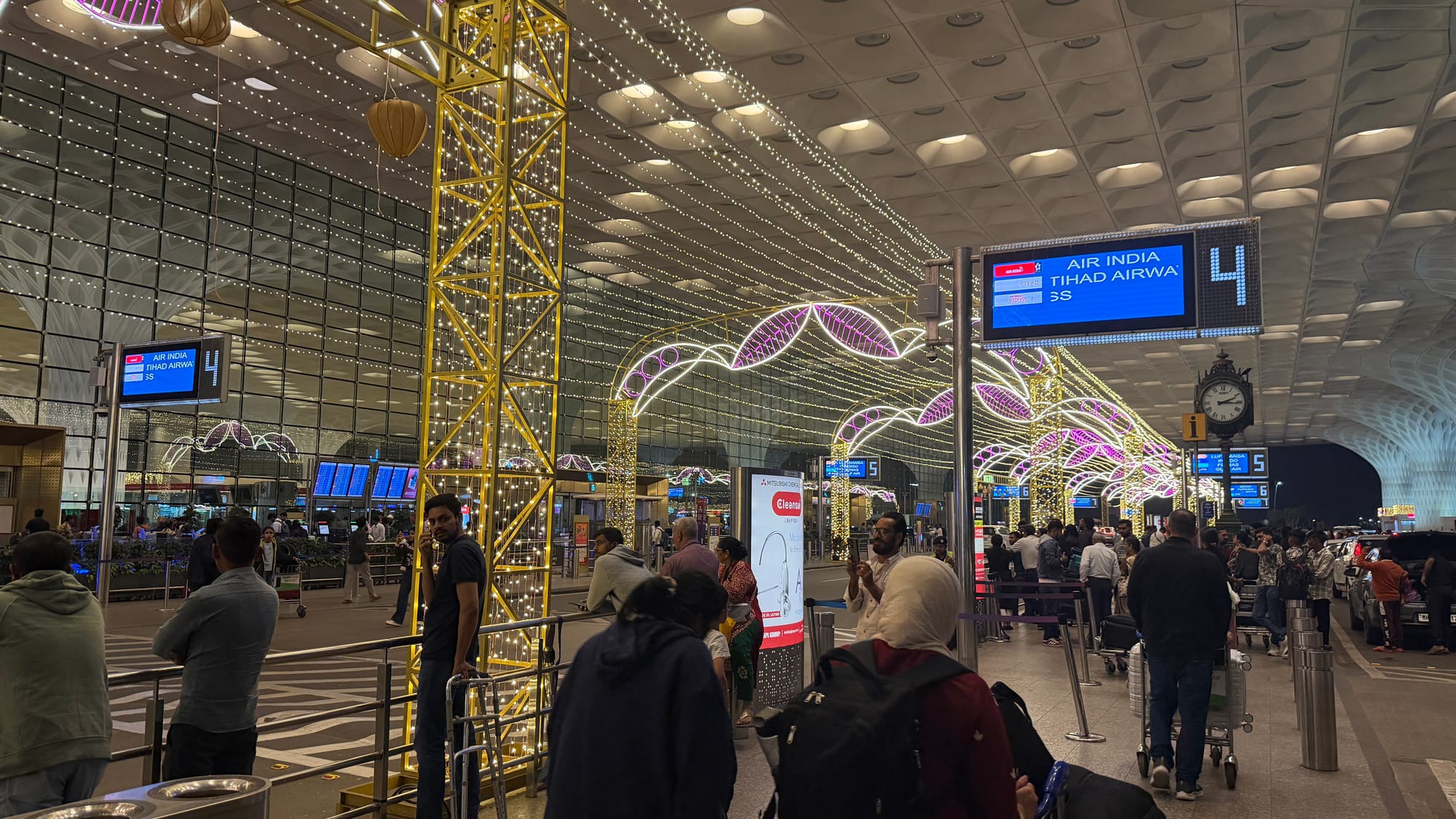
East-west passengers flow between Europe and Asia (including India) is a massive contributor to global air travel demand, and it's only fitting that Riyadh Air joins the fight. The carrier has highly competitive seating, providing an onboard experience that can easily hold its own. The question is merely if there is space for yet another Middle Eastern airline in such an established and crowded market. Only time will tell if Riyadh Air can withstand the challenges and reap the benefits of India's aviation market.