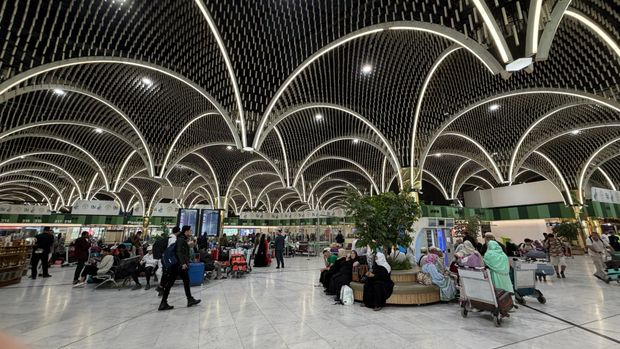
An employee of an Iranian airline at Najaf International Airport gave a reporter a simple measure of what changed this week. Iranian carriers normally run at least 20 flights a day through Najaf. On Friday, after the suspension took effect at two in the morning, four flights to anywhere were left on the board.
Iraq has stopped Iranian airlines from using its airports, complying with American sanctions that took effect this week. Baghdad went first on Wednesday, Najaf followed on Friday on instructions from the prime minister's office, and the northern airports at Erbil and Sulaimaniyah did the same.

What Triggered It
Washington's Treasury Department announced sanctions on September 8 targeting 36 individuals and entities connected to Iran's aviation sector, under a program it calls Operation Economic Outcast. Treasury Secretary Scott Bessent told CNBC that from September 23, Iranian airlines would be shut down around the world.
What changed
Iranian Flights, Iraqi Airports
Details from AFP, Reuters and Iraqi officials, September 2026. US Treasury sanctions announced September 8.
Contrail
That mechanism is indirect but effective. Rather than banning the flights outright, the sanctions threaten consequences for any airport or company that handles them, which leaves governments to make their own decisions about whether the business is worth the exposure.
Most have decided it isn't. The United Arab Emirates has suspended Iranian carriers, Georgia has barred them, and Mahan Air said it stopped flying to Turkey at the Turkish government's request. More than 20 airlines across the region have suspended services connected to Iran.

Who Actually Used These Flights
This is the part that gets lost in coverage of sanctions policy.
Najaf is one of the holiest cities in Shia Islam, and its airport exists largely to move religious travelers. The Iranian flights carried Iraqi pilgrims heading to shrines in Iran and Iranian pilgrims coming the other way to sites in Iraq, in both directions, constantly. Those same flights carried Iraqi students enrolled at Iranian universities and patients traveling for medical treatment.
Iraqi airlines stopped flying to Iran when the war began in February, which left Iranian carriers as effectively the only air link between two neighboring countries with deep religious and family ties. Removing them removes the connection entirely.
Land routes remain open, and people will use them. Driving from Najaf to the Iranian border takes hours rather than the hour or so the flight took, and it isn't a realistic option for everyone making these trips, patients especially.
The Reaction in Iraq
This has become a domestic political issue in Iraq within days.
Akram al-Kaabi, who leads the Iran-backed militia Harakat al-Nujaba, said on Friday that his group would organize sit-ins at Iraqi airports unless the flights resumed. He told the Iraqi news agency Shafaq News that his group would not wait long, and criticized Iraqi politicians for letting Washington make the country's aviation decisions. Washington designates the group a terrorist organization.
Iraq's foreign minister, Fuad Hussein, said earlier on Friday that Baghdad had informed Tehran of the restrictions and intended to raise the sanctions with Washington
Aviation as Leverage
Aviation has become one of the main instruments of economic pressure available to governments, and this is what it looks like in practice.
It works because commercial aviation depends on a web of things that cross borders. Insurance and ground handling, spare parts and fuel contracts, and the willingness of other countries' airports to accept your aircraft. Cut enough of those and an airline stops being able to fly internationally, whatever its own government decides.
People who feel it first are rarely the ones the pressure is aimed at. In this case they're pilgrims, students and patients who now have a long drive instead of a short flight, and an airline employee in Najaf who told a reporter there was no longer much point going to work.